
The ground has to hold the machine
Rice comes off wet. The grain, the soil, the whole bay — and a combine weighs somewhere north of twenty tonnes without a full tank. Flood the field too long and the levee tops go soft; drain it too early and the crop is still green. The window between those two failures is narrow, and it is not the same every year.
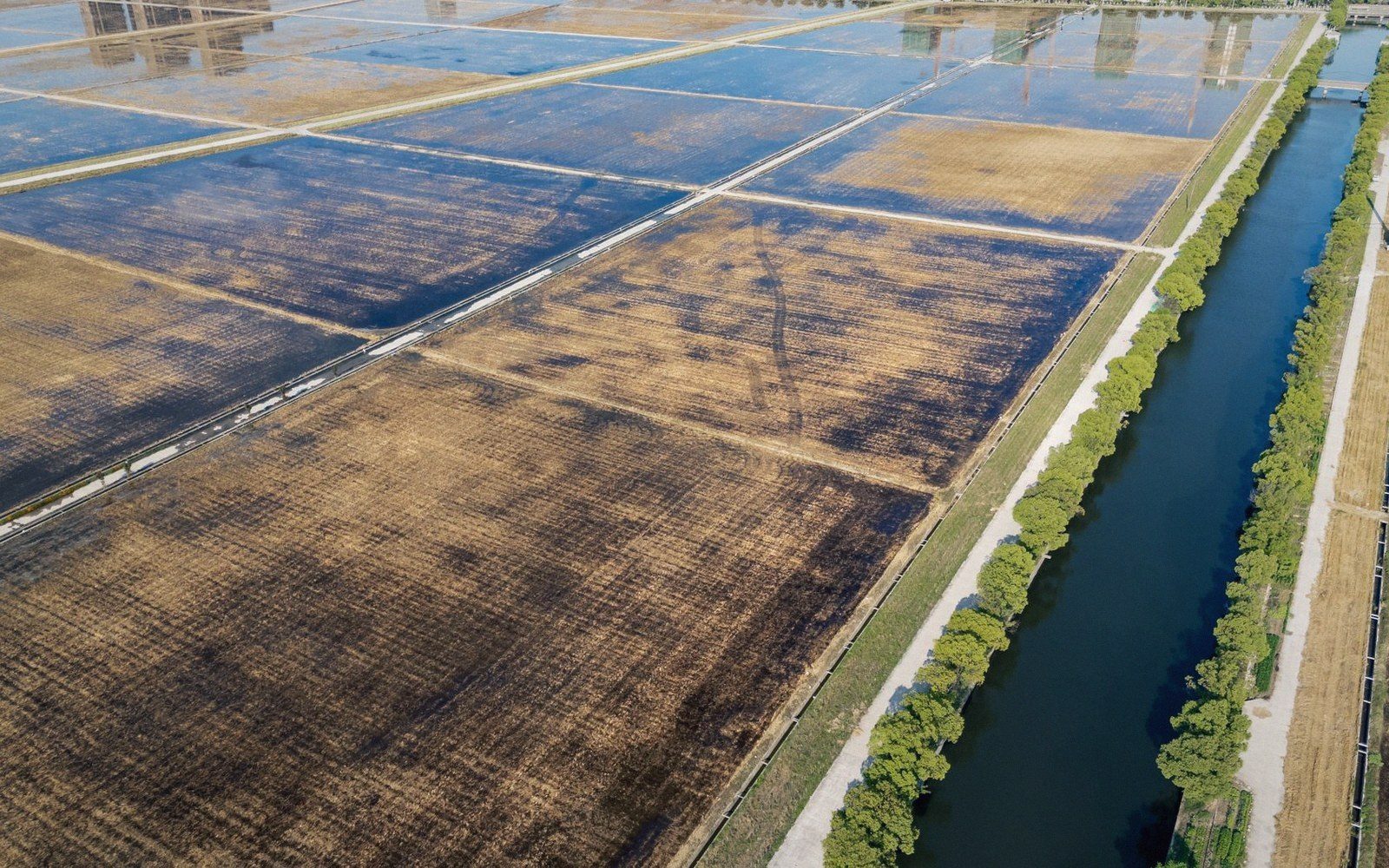
The drain begins at the bottom gate. Water that has stood in the bay for weeks leaves slowly, pulled by whatever fall exists between the field and the tail-water ditch. On dead-level ground that fall is measured in inches, sometimes less, and the last water is always the hardest to move. The field may look empty days before it is actually dry enough to carry steel.
| Term | What it is |
|---|---|
| Water movement | bottom gate opens; fall is small; last water moves slowest |
| Soil condition | surface may look dry while subsoil remains saturated |
| Grain stage | maturity determines drain timing, not weather alone |
| Machine commitment | operators start on firm ground, finish on wet corners |
Soil texture matters here. A heavier clay holds water at the surface long after the standing flood is gone; it looks ready, then a front wheel finds the wet band along the old levee toe and buries itself. Operators learn to read the surface — a slight sheen, a particular color shift in the cracked clay — but there is no substitute for walking the low corners and testing them underfoot before the machine commits.
It is not elegant, but flat ground does not offer elegant exits — only the order in which you commit.
Timing the drain against grain maturity adds a second constraint. Drop the flood too early and the grain finishes without the temperature buffer the water provides; the few nights that decide the yield are behind you at drain-down, but late-season stress still affects fill weight. The standard practice is to drain when the panicles reach the right moisture stage and not before, accepting whatever ground condition results and managing it with field selection and timing.
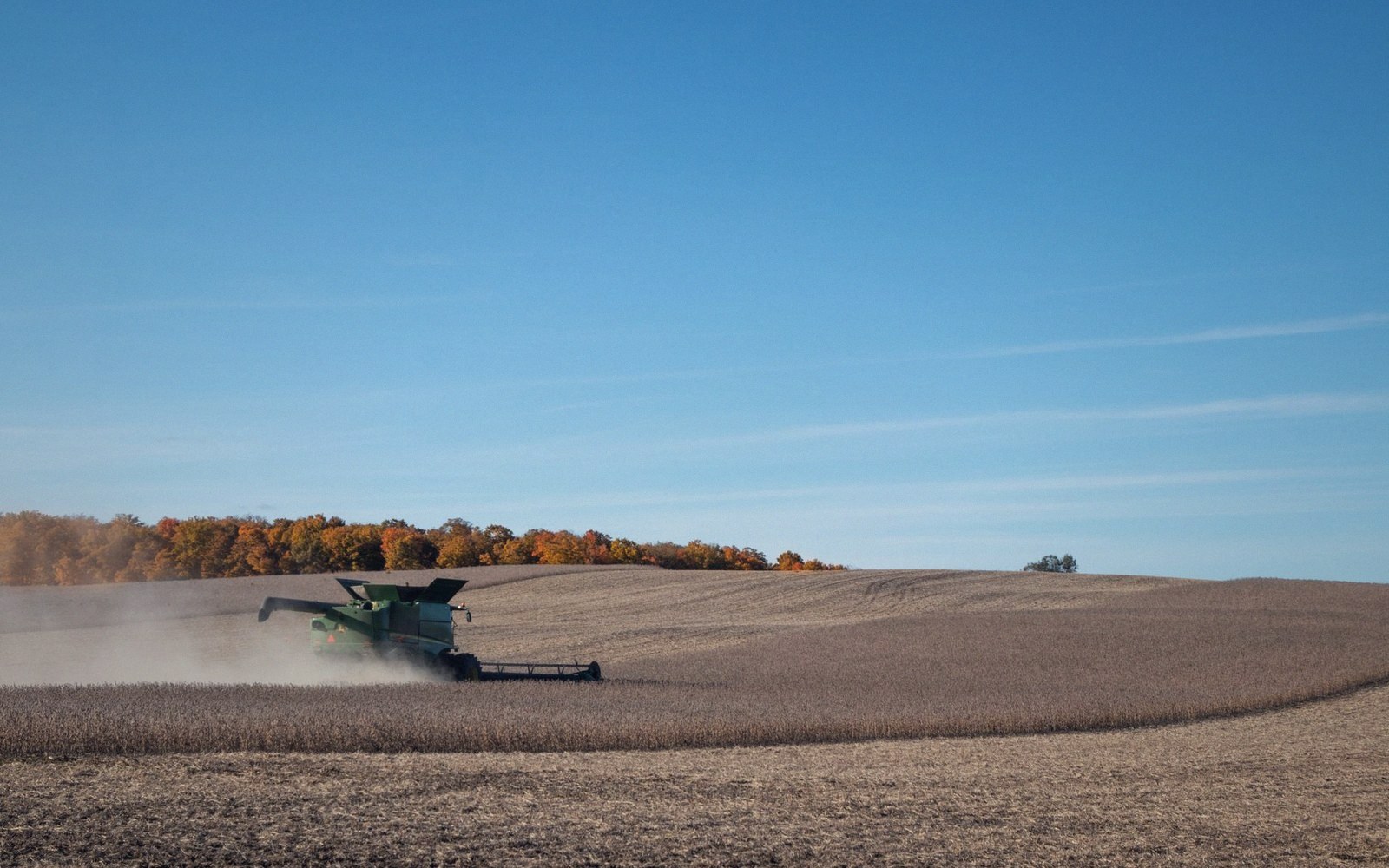
When conditions are marginal, operators start at the firmest end of the field and work toward the wet corners, finishing there last when whatever drainage the soil can give has had its chance. It is not elegant, but flat ground does not offer elegant exits — only the order in which you commit.