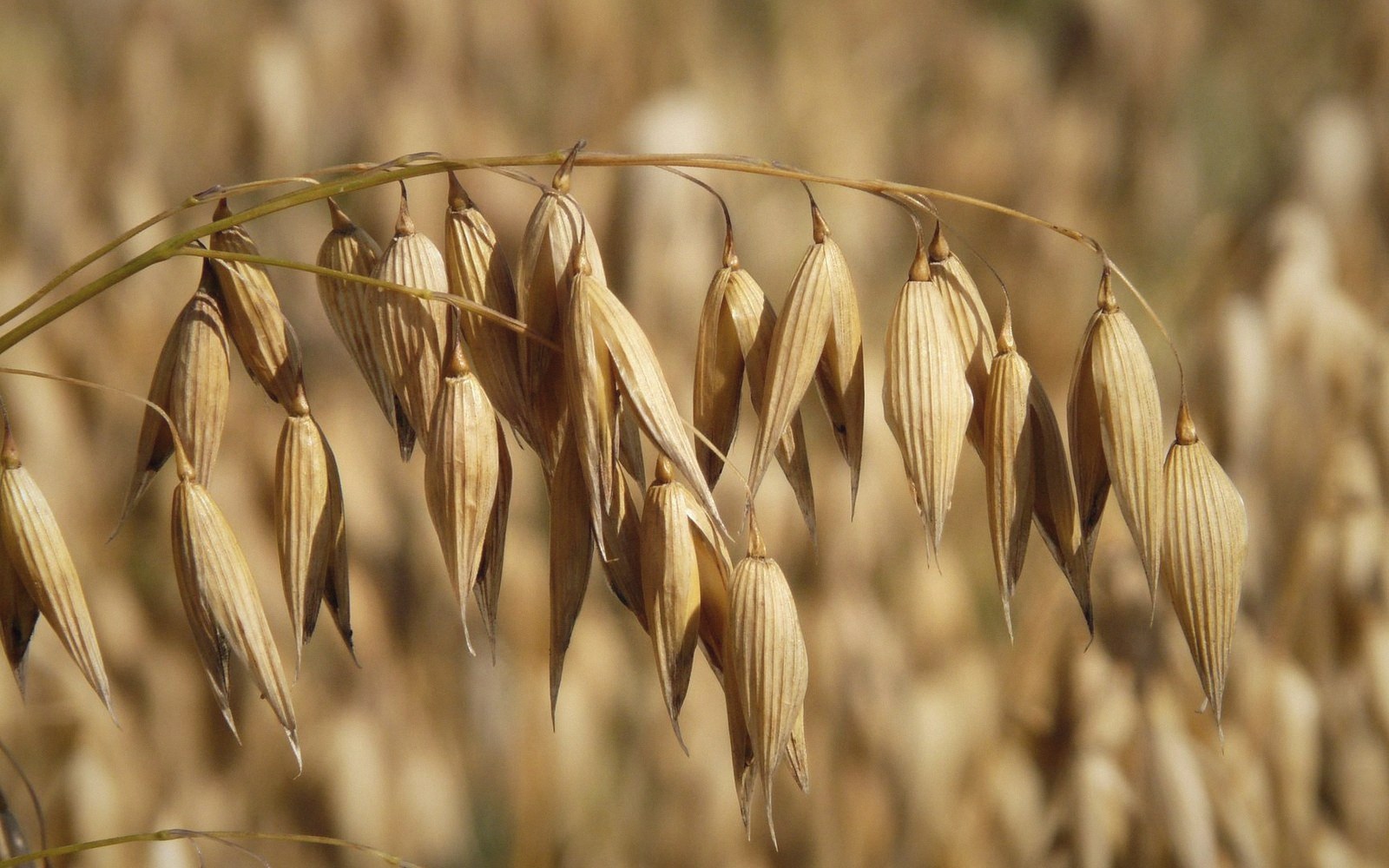
The rice plant commits to its yield in a window measured in days. What happens at night during that window is the whole game.
The nights that matter
Panicle initiation — the moment the plant shifts from making leaves to making a seed head — arrives roughly forty to fifty days before heading. Once that switch is thrown, a short stack of nights determines how many grains fill. The critical period runs from about a week before the panicle emerges to a few days after: pollination happens in early morning, but the pollen that does the work formed the night before. If temperatures stay above roughly 68°F at night during that stretch, respiration runs fast, the plant burns its own reserves, and grain set drops. Sterile florets show up in the count at harvest. The yield was lost in the dark.
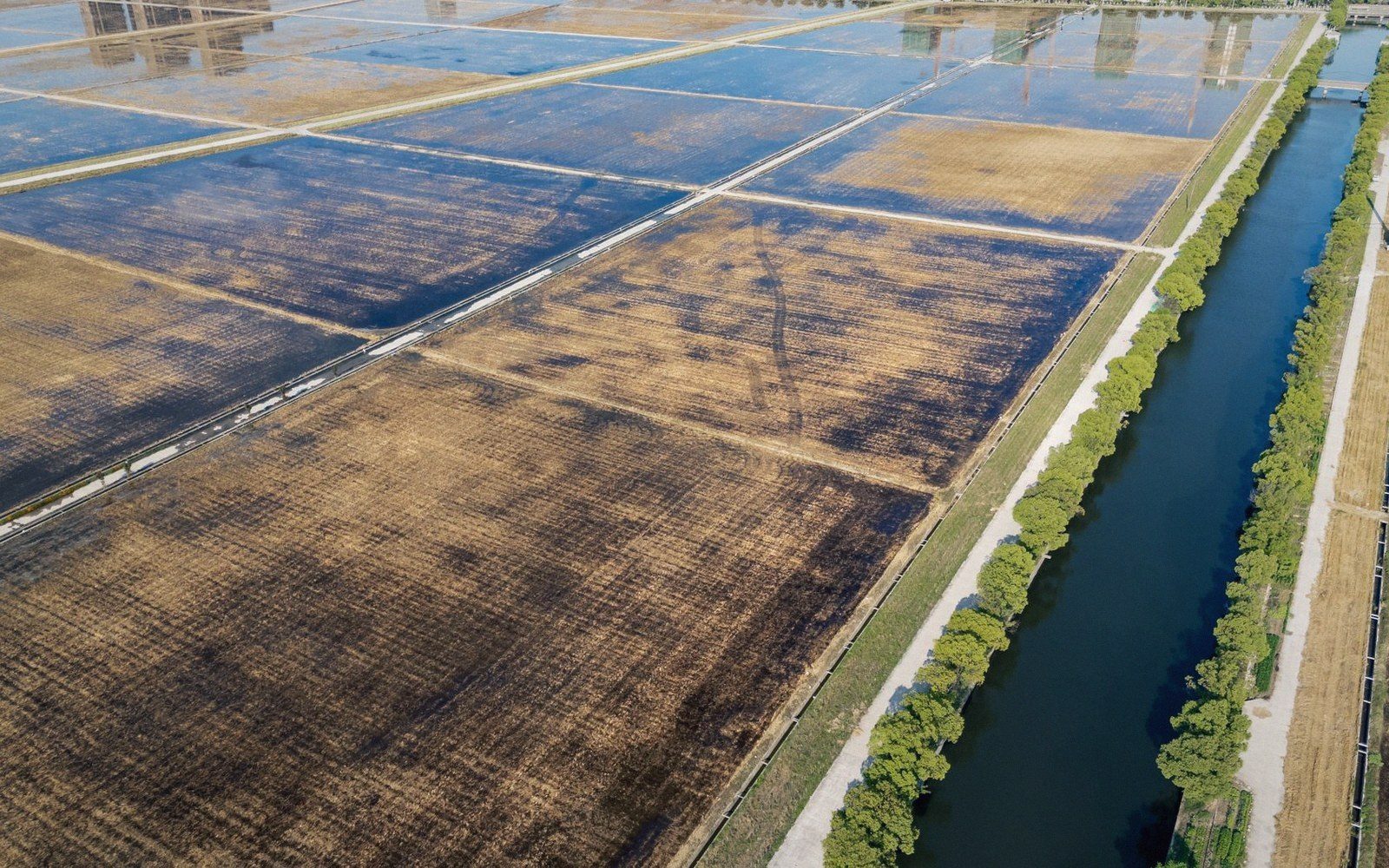
This is why the flood is not simply irrigation. A standing water column — held at the right depth — buffers night air temperature over the canopy. Water stores heat from the day and releases it slowly after sundown, keeping the boundary layer a few degrees warmer than the ambient air above it. On a Delta night in late July or early August, when overnight lows can dip and the humidity breaks momentarily, that few degrees is the margin. The flood is a thermal mass, managed the same way it is managed for weed control and root-zone temperature earlier in the season, but now doing a different job.
The timing is tight because heading in a Delta rice field typically compresses into a few days across a bay; the whole canopy is vulnerable at once.
The depth matters. A shallow flood — two or three inches — loses its buffering capacity faster than a proper five-to-six-inch flood. Growers who are watching their tail-water recovery system run dry late in the season face a real tradeoff: dropping the flood to save water, exactly when maintaining depth pays the most. The timing is tight because heading in a Delta rice field typically compresses into a few days across a bay; the whole canopy is vulnerable at once.
Heat stress cuts the other way too. Day temperatures above roughly 95°F during anthesis can desiccate pollen before it reaches the stigma. The flood does less against that — shade doesn't exist at scale — but the afternoon cloud cover common to Delta summers provides some natural relief the calendar sometimes delivers and sometimes doesn't.
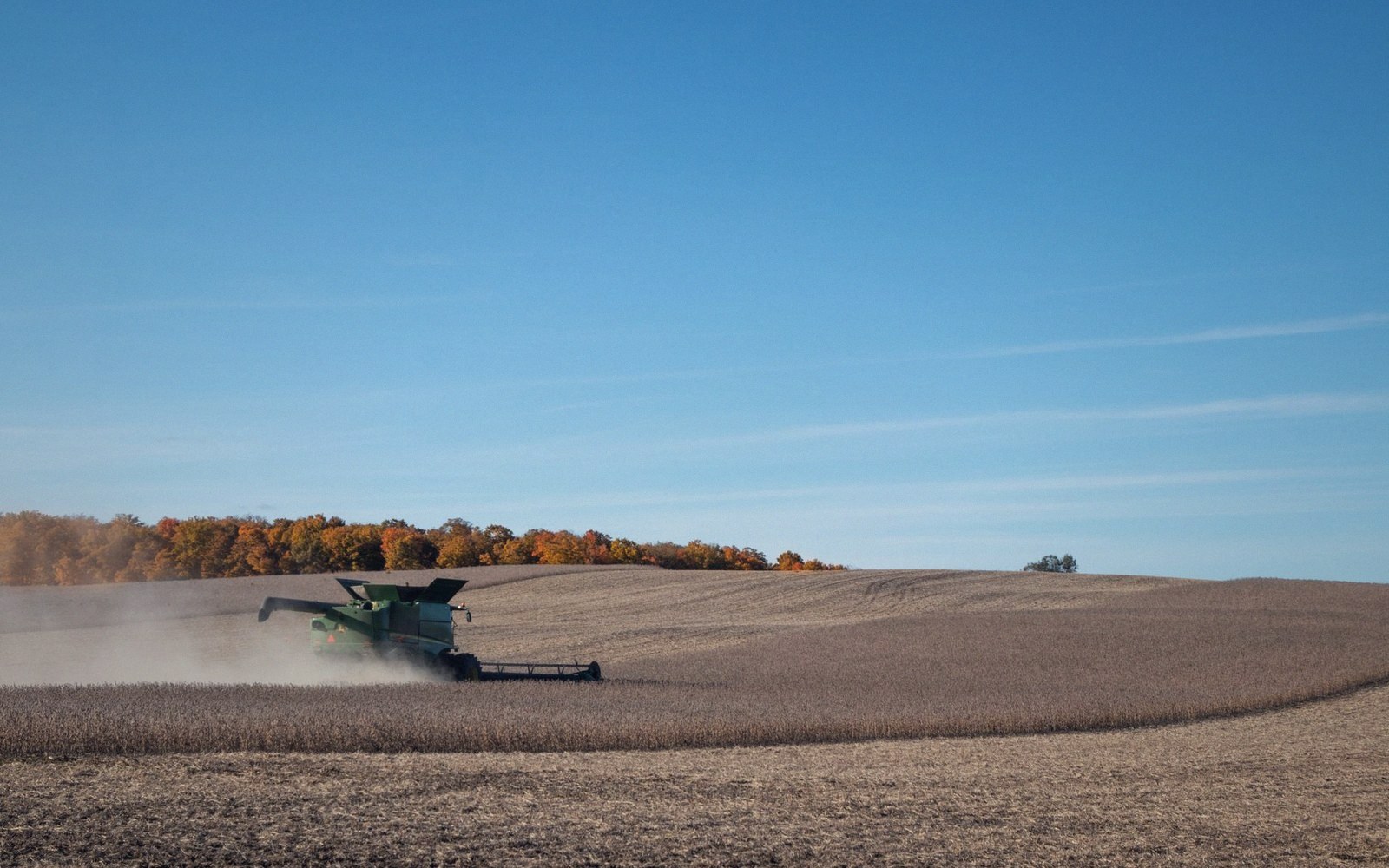
The yield is written in those nights. The rest of the season is prologue.