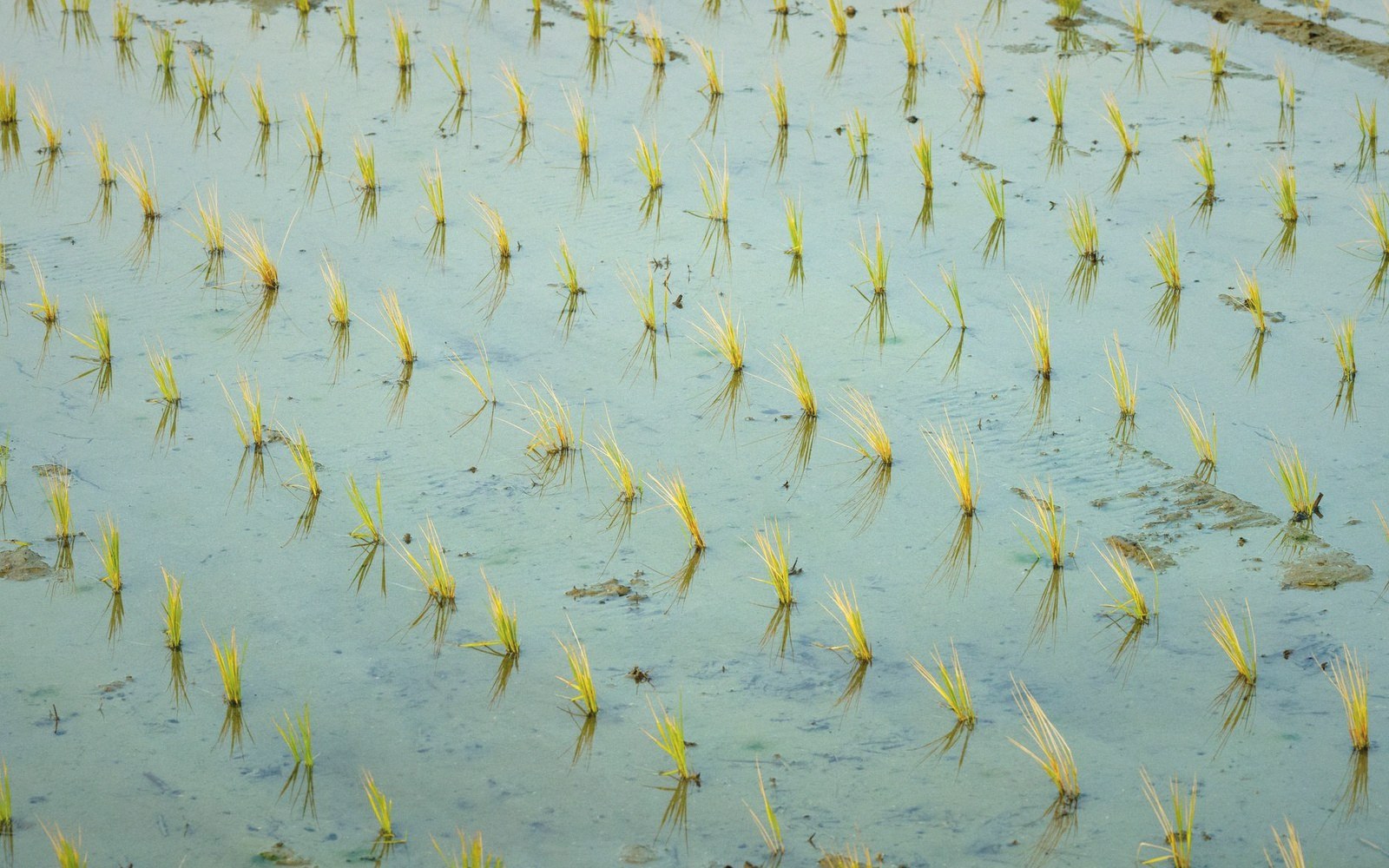
The flood is a tool before it is an environment
Rice tolerates flooding. Almost everything that competes with it does not. That asymmetry is the whole reason Delta rice is grown under a permanent flood rather than irrigated the way corn or soybeans are — the water does weed work that no herbicide programme alone can match, and it does temperature work that no other input can replicate. The plant is the implement.
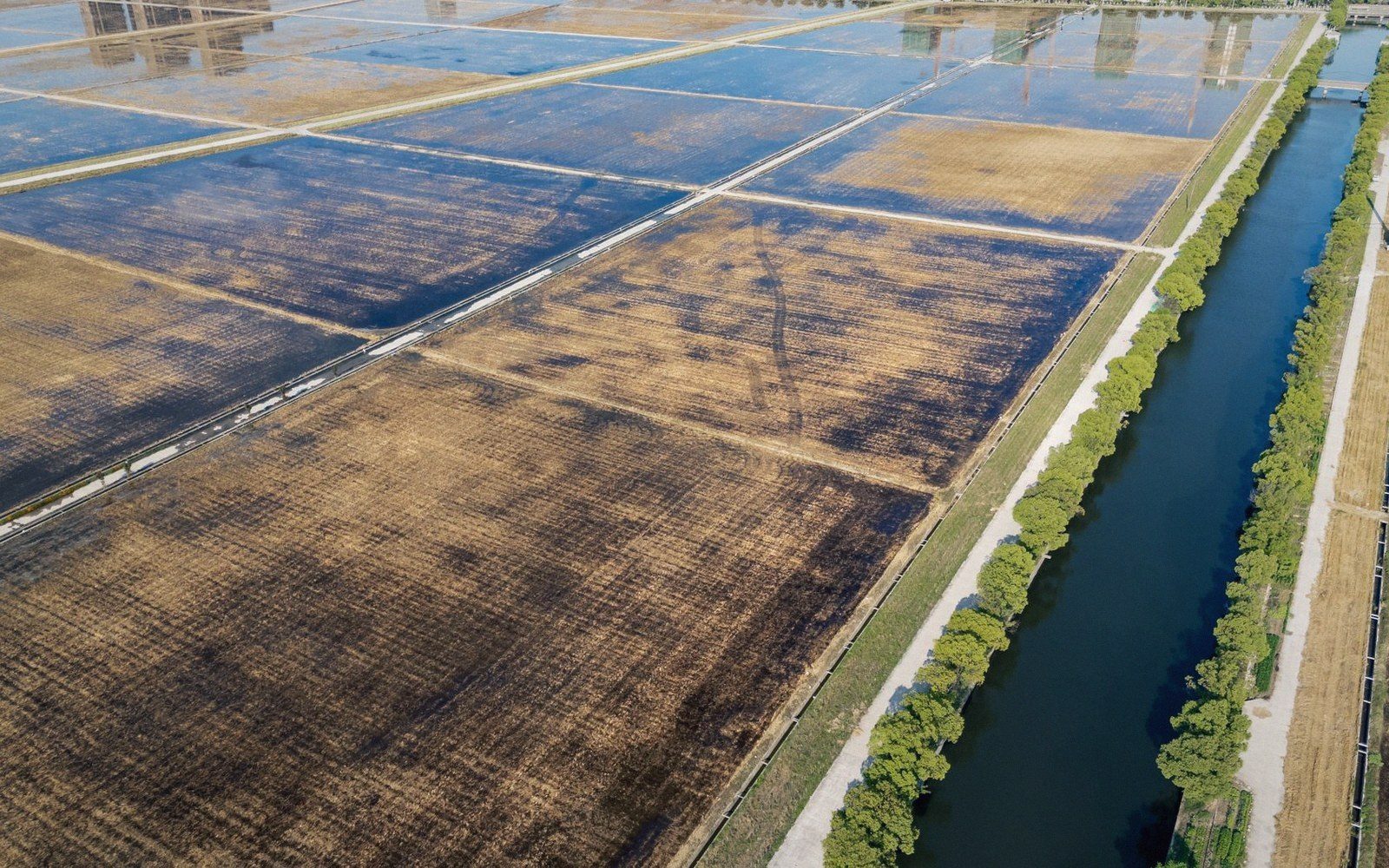
The flood goes on early, before most broadleaf and grass weeds have emerged past the seedling stage. A canopy of water four to six inches deep cuts the light that germinating weeds need, and drowns the ones already up. Barnyardgrass — Echinochloa crus-galli, the persistent villain of Delta rice — is suppressed more reliably by a timely permanent flood than by the most aggressive herbicide sequence. The timing matters more than the depth. A flood applied too late, after weed seedlings have stiffened, loses the suppression window. A flood applied before the rice has enough leaf area to reach above it can drown the crop instead.
Rice seeds are planted dry into a prepared seedbed, or water-seeded into a flooded field — two distinct systems with different demands on stand timing and levelling precision. In the dry-seeded system that dominates the Delta, the seed goes in, the field is kept moist but not flooded for germination and early tillering, then the permanent flood is established once the plants are four to five inches tall and have set enough roots to anchor against the current when gates open. That window — the transition from managed moisture to managed flood — is the season's first inflection point. Miss it in one direction and the weeds win. Miss it in the other and the stand drowns.
The flood can also promote straighthead, a physiological disorder associated with anaerobic soil conditions and arsenic release in certain Delta soils.
What the water holds
Temperature is the second job. Rice is a tropical grass grown at the northern edge of its commercial range on the mid-South Delta. Night temperatures during heading and pollination are the single largest weather variable affecting yield. Chilling injury — incomplete pollination caused by temperatures below roughly 60°F during the few nights around anthesis — can cut a field's yield severely and silently, with no visible damage until the grain fails to fill. The flood buffers this. Water holds heat longer than air does; a four-to-six-inch flood cools more slowly overnight than bare soil, and that thermal mass can hold canopy temperature two or three degrees above ambient on a critical night. The difference between a damaging night and a safe one is often that narrow.
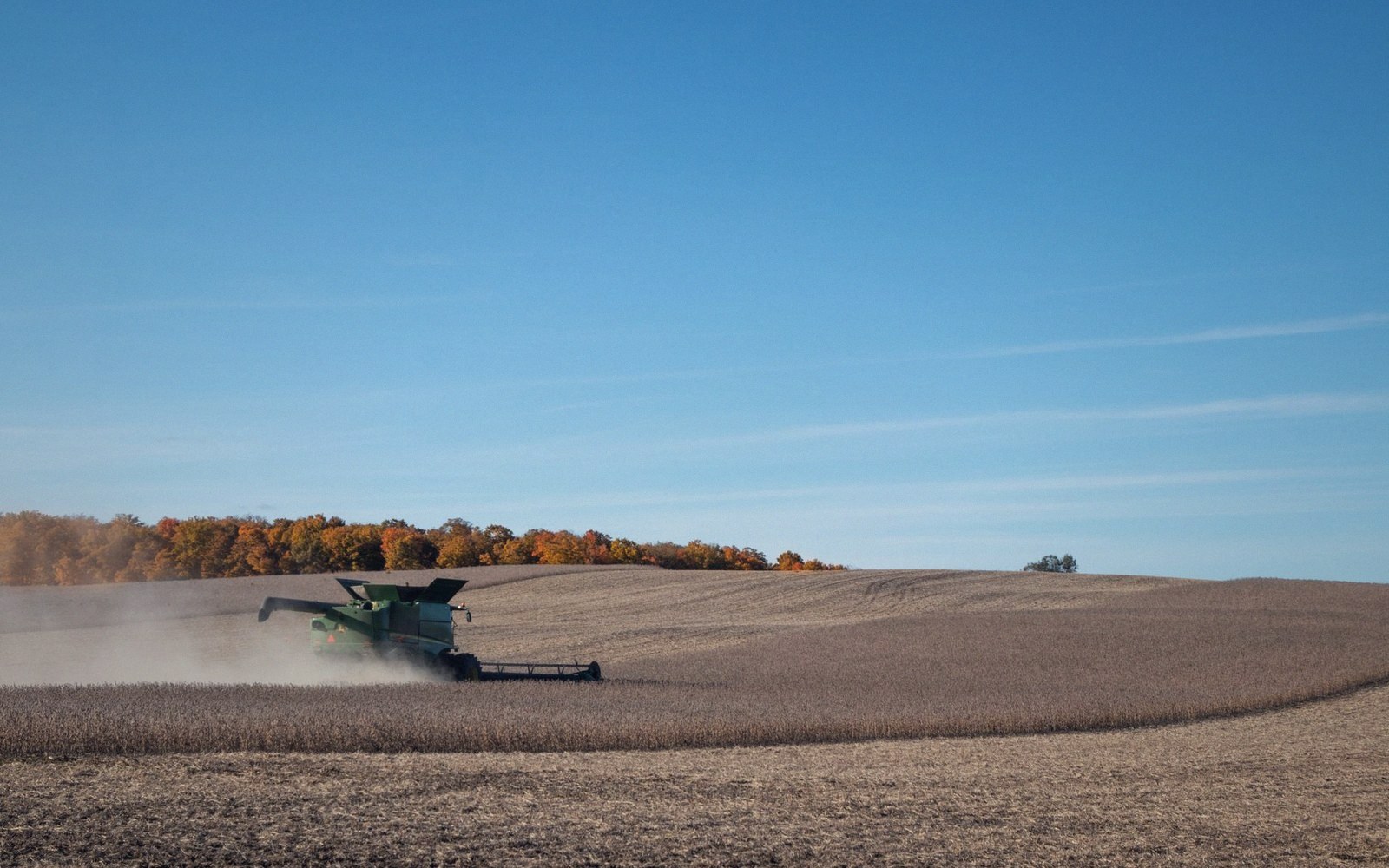
This is not a passive effect. Producers who watch forecasts in July and August are watching for exactly this event. The response — deepening the flood before a cold night, or maintaining one that might otherwise have been drained — is deliberate temperature management, not flood maintenance for its own sake. The few nights that decide the yield are the reason the water stays on longer than the weed-control job alone would require.
The flood can also promote straighthead, a physiological disorder associated with anaerobic soil conditions and arsenic release in certain Delta soils. Draining and re-flooding at specific growth stages was the historically standard management for straighthead-prone fields — controlled drainage used as a tool, not a consequence of other decisions.
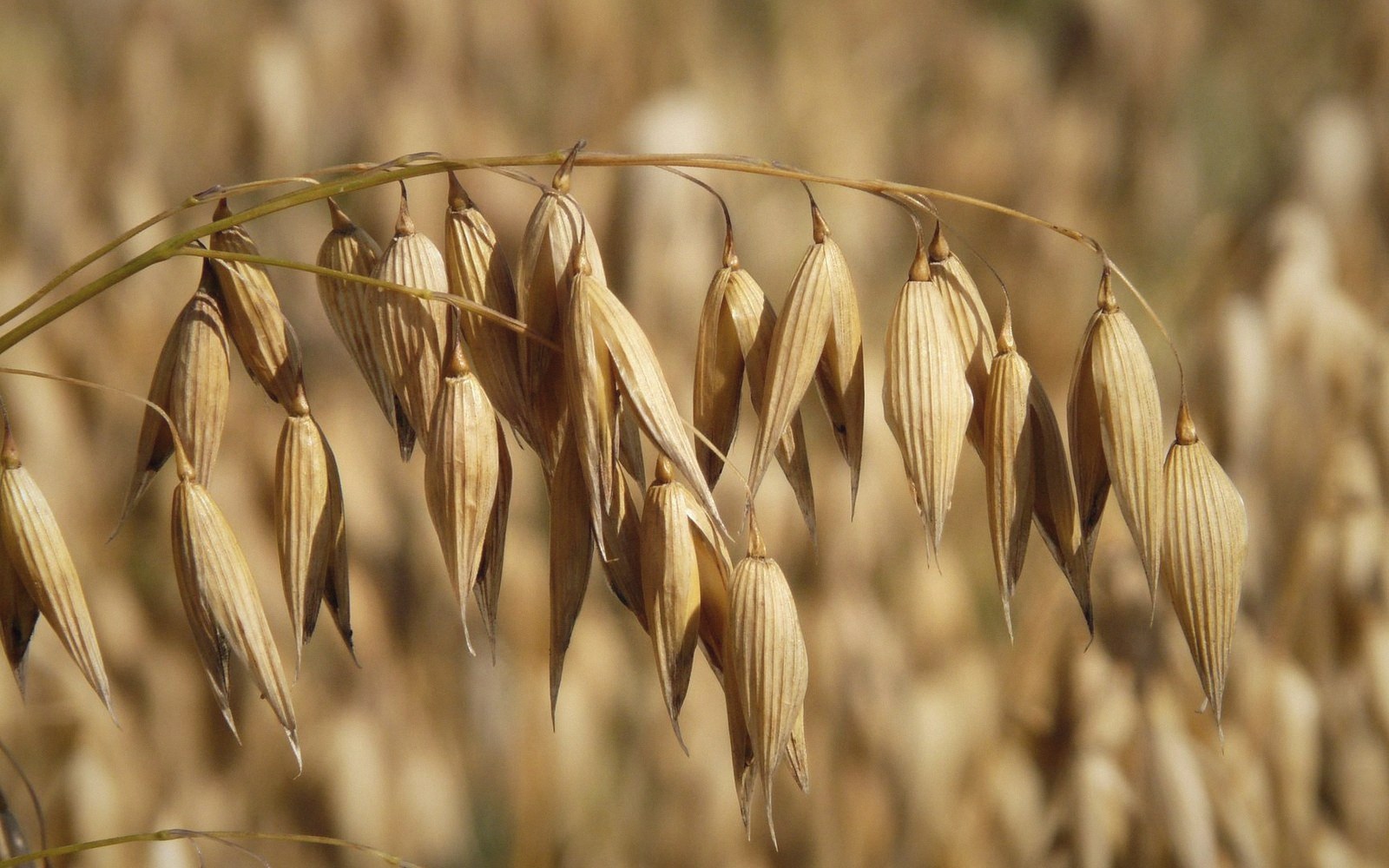
Draining is as deliberate as flooding
The flood comes off in stages. As the crop approaches physiological maturity, the field is drained to allow the soil to firm enough to carry a combine. Timing the drain against the grain is its own calculation — too early and the thermal buffer is lost; too late and the field stays soft into harvest. The soil on a laser-levelled bay drains predictably because the grade is consistent, a tenth of a foot or less across the whole field. A bay that holds a low corner stays wet at that corner, and wet corners do not carry equipment.
What makes Delta rice production a water-management system rather than simply a crop system is that the flood serves multiple functions simultaneously — weed suppression, temperature regulation, soil chemistry management — and each function has its own timing requirement. They overlap. Managing them means holding a field at the right water depth at the right growth stage, which requires control structures that respond quickly, levees that hold, and a field surface precise enough that the water sits where it is put. The rice grows in the water. Everything else is built to put the water exactly where the rice needs it.