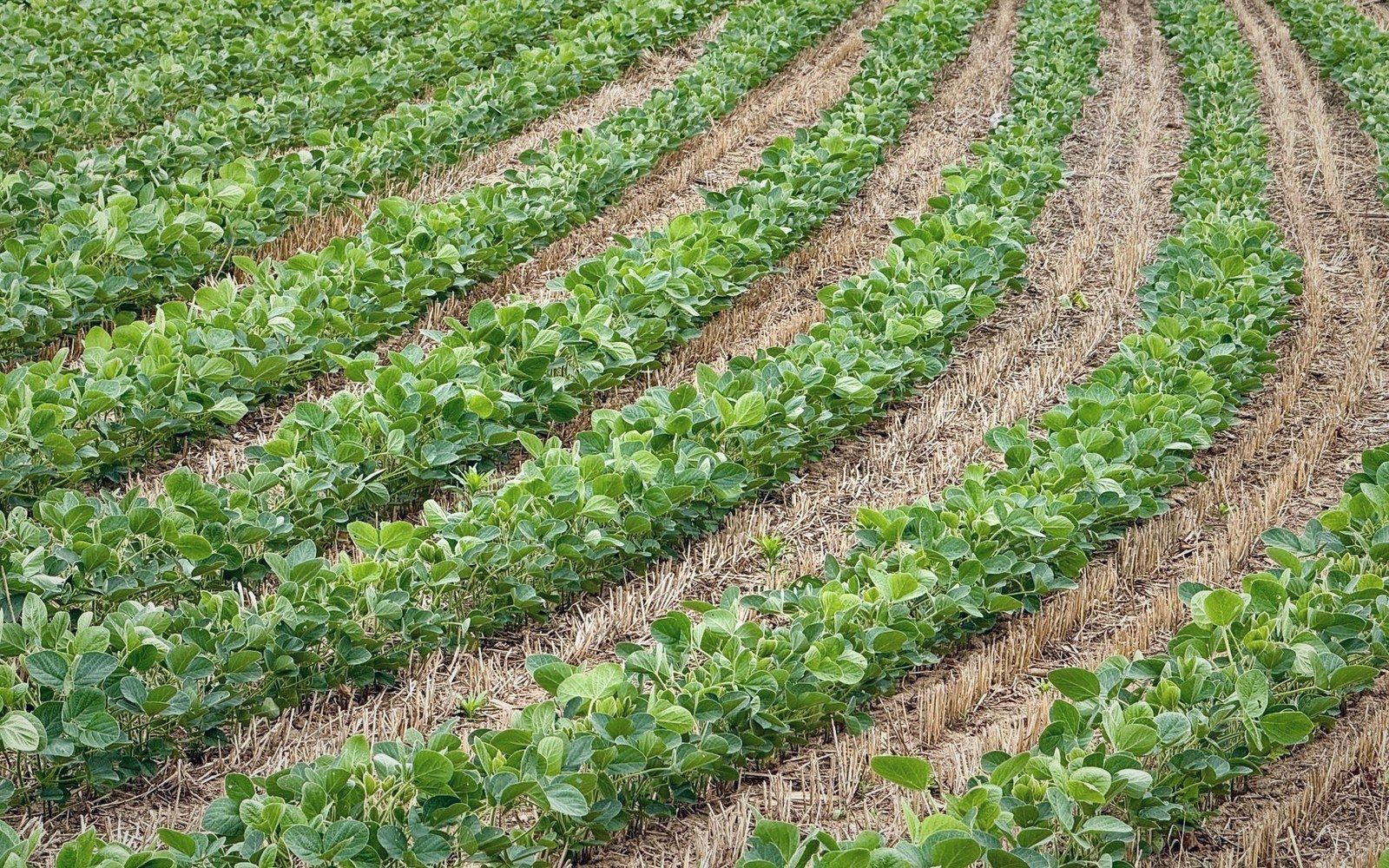
The rotation is a soil decision disguised as a crop decision
Soybeans follow rice on most Delta ground not because the bean market demands it but because the soil does. Two or three years of continuous flooding compact the top horizons, exhaust available nitrogen, and leave the ground in a condition that rice itself will punish you for. The bean year is corrective work dressed up as a cash crop.
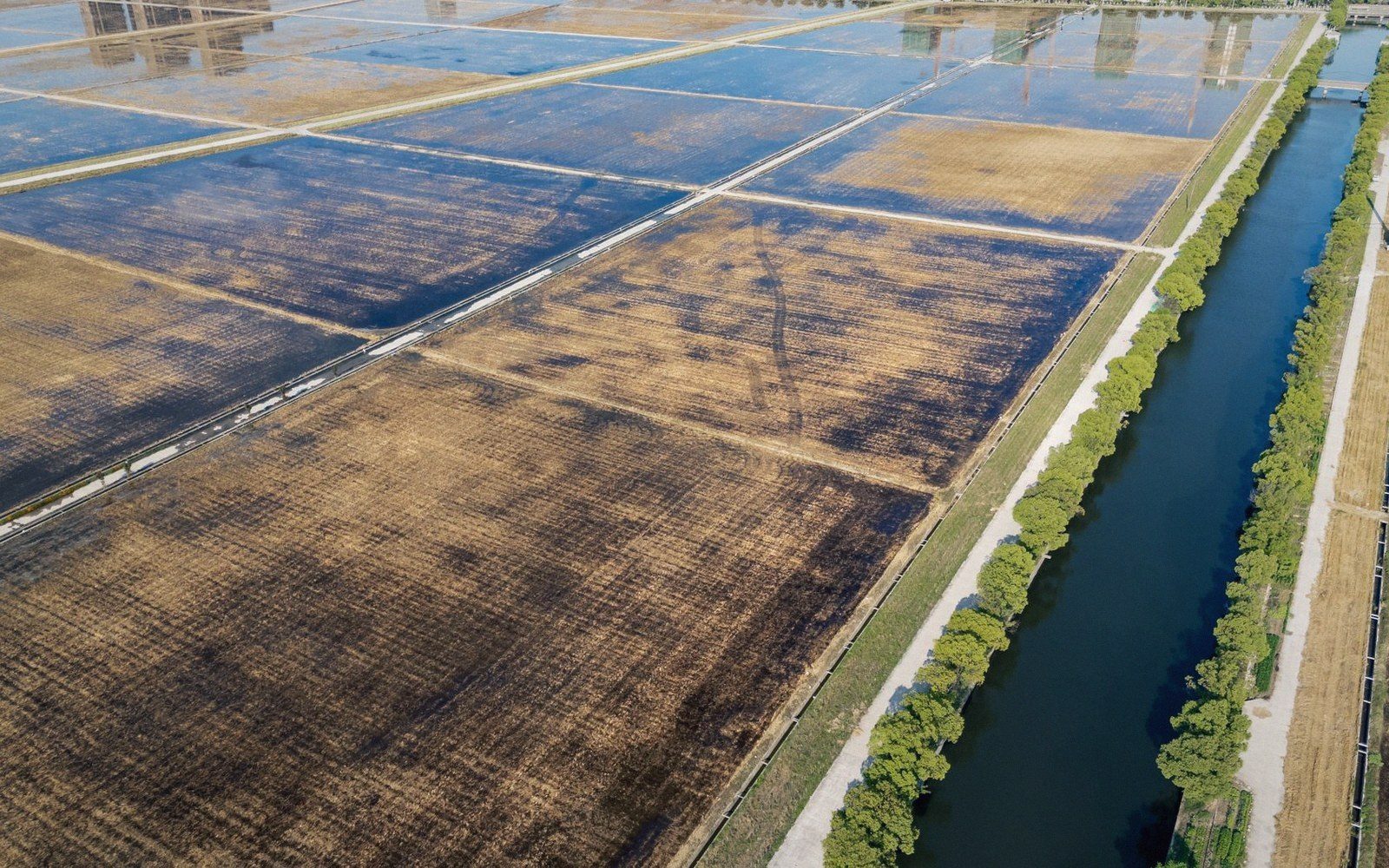
The mechanism is straightforward. Rice under a permanent flood creates anaerobic conditions a few centimetres below the surface. That chemistry suits rice — it mobilises phosphorus and suppresses certain pathogens — but it also drives off soil nitrogen as gas and, over repeated seasons, builds a compaction layer where tillage and wheel traffic run shallow on saturated ground. Drain the field, plant beans, and the aerobic season begins to undo that. Oxygen returns, organic matter starts cycling differently, and the soybean's nodule bacteria — Bradyrhizobium japonicum — fix atmospheric nitrogen back into a form the following rice crop can spend.
The levelling geometry of a rice bay does not particularly suit soybeans. Beans want to shed water, not hold it. A field cut to a tenth of a foot or less across a span of thirty acres will pond after a hard rain, and beans standing in water for more than a day or two lose yield or stand. Producers on tightly levelled ground often pull the gates open and rely on the tail-water recovery system to move runoff off the field quickly rather than reworking the grade. It is an irrigation system pressed into drainage service, which is a fair description of Delta water management in general.
It is an irrigation system pressed into drainage service, which is a fair description of Delta water management in general.
Soil compaction from the rice years also means the first cultivation of a bean season often runs deeper than the crop strictly requires — not to prepare a seedbed but to fracture a tillage pan that built up while the disk was floating on saturated mud. Some producers skip that tillage entirely and seed directly into the mat of rice stubble, trading soil disturbance for a different set of problems with stand establishment on crusted, levelled ground.
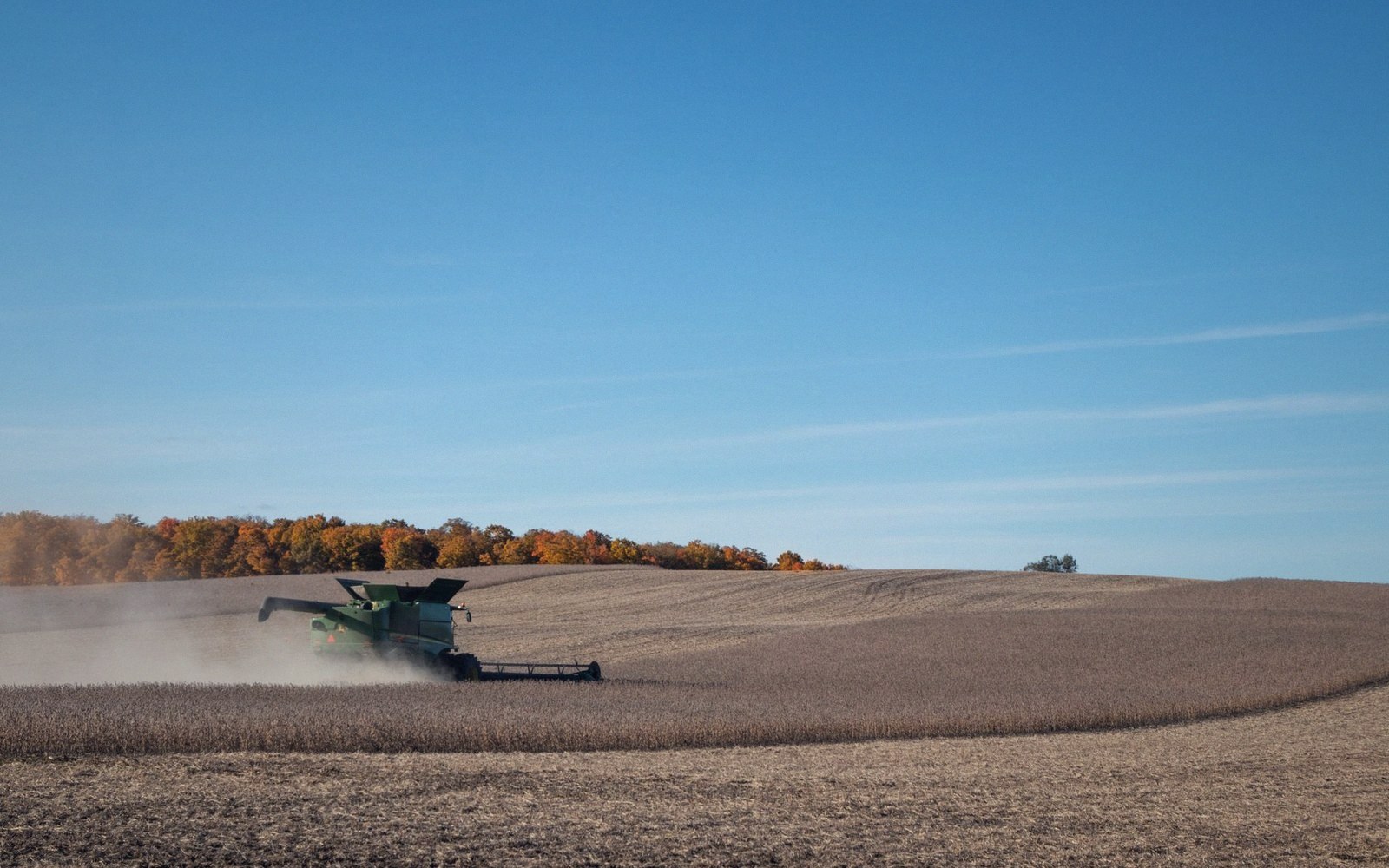
What the rotation is not, on most Delta acres, is a nitrogen-savings programme in any precise accounting sense. The nitrogen fixed by the bean crop is real, but it returns slowly and unevenly, and the rice that follows will still draw on the aquifer and the fertiliser programme as if the beans had barely happened. The value is slower and more structural: permeability restored, compaction fractured, the anaerobic chemistry interrupted long enough for the ground to breathe.