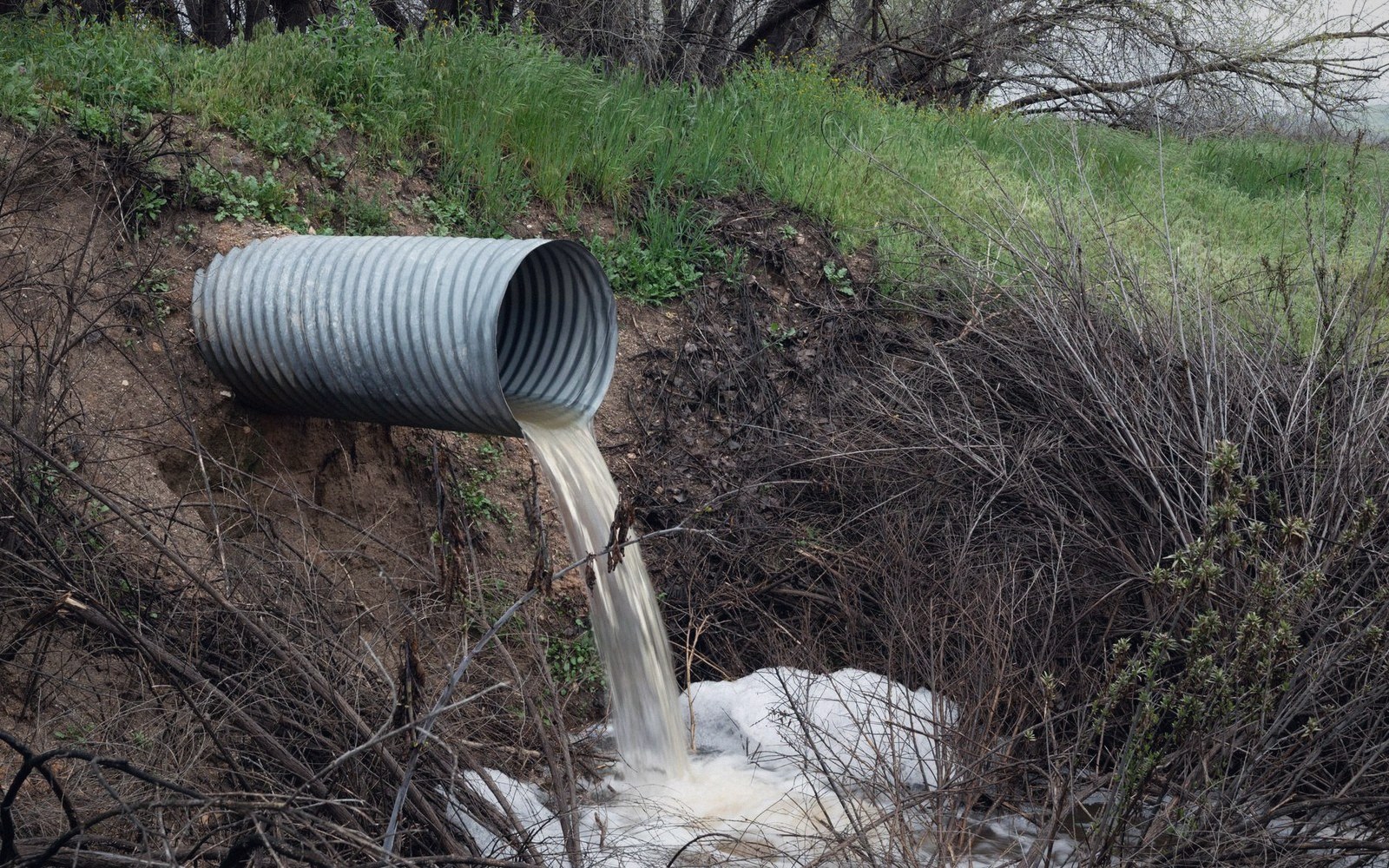
The water that leaves the field is not wasted until you let it go
Every irrigated rice bay overfills at the top and drains at the bottom. That outflow — warm, turbid, carrying whatever fertiliser leached through — is called tail water, and on a flat Delta farm it can represent a third or more of the water pumped into the system. Letting it run into a drainage ditch and disappear is a straightforward way to pay twice for the same acre-foot.
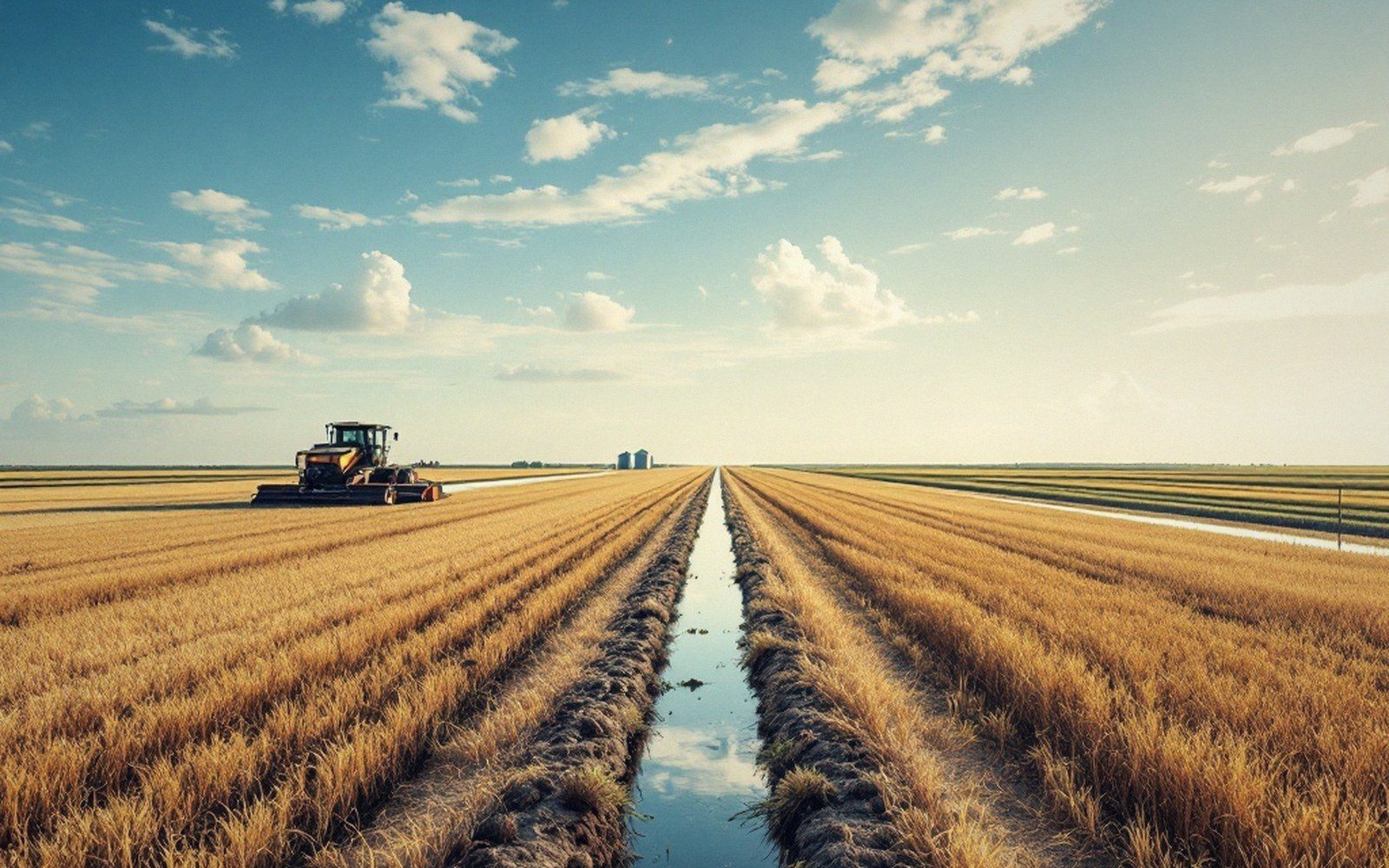
Tail-water recovery starts with a collection pit or pond at the low end of the field. It needs enough volume to absorb the surge when a bay is drained — typically a few acre-feet of storage for a medium-sized block of fields — and enough freeboard that a rain event does not overflow it before the pump can respond. On many Delta farms the recovery pit is a simple excavated basin with a concrete slab at the pump inlet; on larger operations it may be a constructed pond that also serves as a settling basin, letting sediment fall out before the water is cycled back.
From the pit, a relift pump moves the water back to the main supply canal or directly to a field that is ready to flood. Relift is the extra cost in the system: you are burning fuel to recover water you already paid to lift once, but the arithmetic almost always favours recovery over abandonment, especially as aquifer pressure declines and pumping lifts increase across much of the Delta.
Most growers cycle it back to fields that are already established rather than to seedbeds, where water quality affects germination directly.
The quality of the recovered water matters. Tail water from a rice bay is warmer than well water or cold canal water, which is generally a benefit — rice likes warm water — but it also carries algae, residual chemistry, and whatever biological load accumulated in the bay during the flood. Most growers cycle it back to fields that are already established rather than to seedbeds, where water quality affects germination directly.
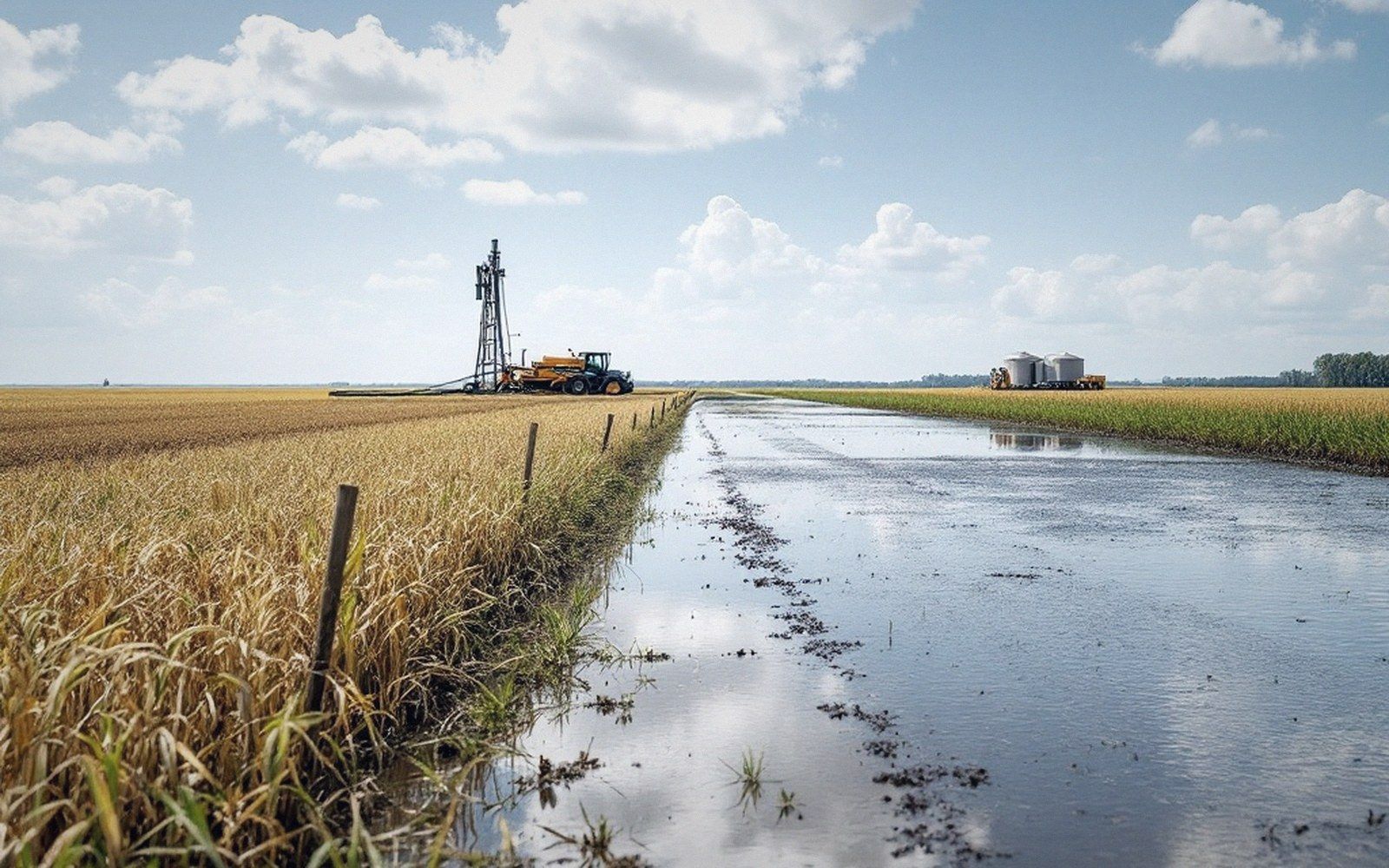
The hydraulic design is straightforward but unforgiving of timing. A recovery system only works if the pit has capacity when drainage arrives and the relift pump has somewhere to send the water. That means coordinating bay drainage with field readiness — draining one field into the pit while another is waiting to flood. On farms where the rotation is tight and every field turns from flood to harvest to flood again, the recovery pit sits at the centre of a water-management schedule that runs all season without pause.
Infrastructure costs vary with scale, but the logic is consistent: tail water has already been paid for once. Catching it before it reaches the ditch keeps it in the system, reduces drawdown on the alluvial aquifer, and cuts the total lift volume every pump on the farm has to move.