Moving the same water twice
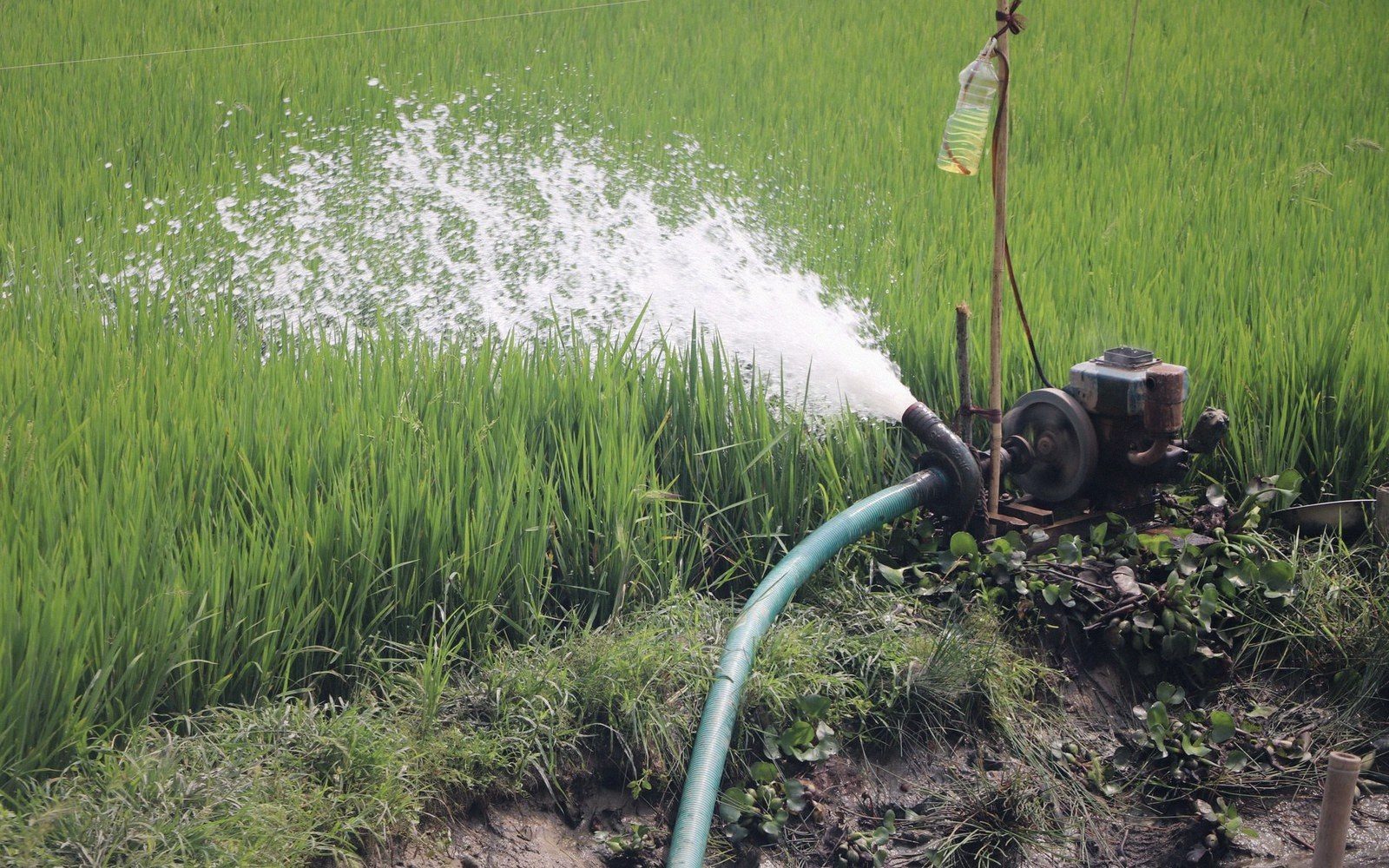
On a rice farm built around a tail-water recovery pond, one pump pulls water out of the aquifer or the ditch. A second pump — smaller, often diesel, sometimes electric — sits at the low end of the field collecting what drained off and sending it back to the top. That second pump is relift. It does no new work in the sense of reaching down for fresh supply; it just moves the same water uphill again.
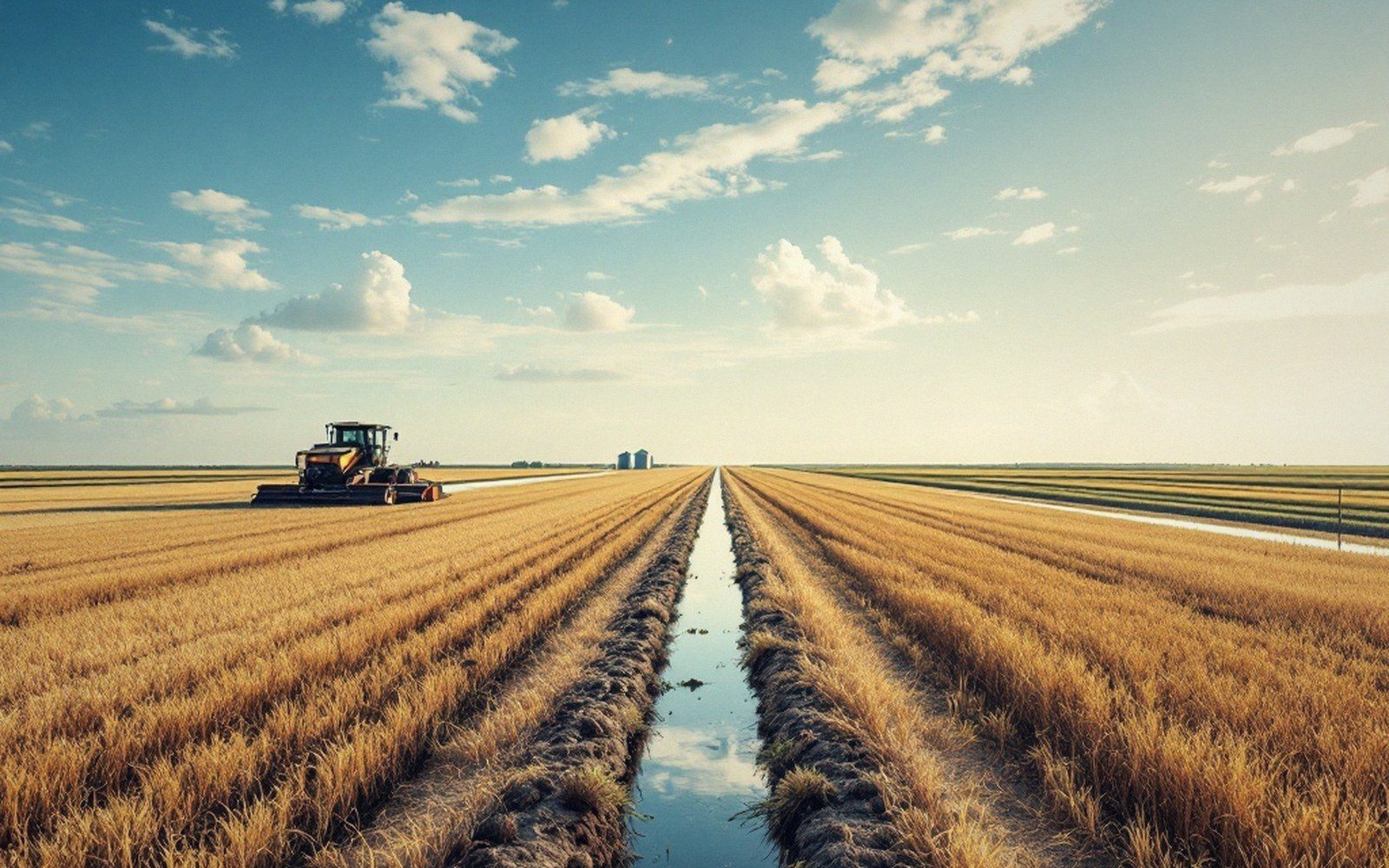
The economics are straightforward. Tail water leaves the bottom of a bay carrying heat, any dissolved nutrients that moved with it, and most of what it cost to pump in the first place. Without relift, that water drains into a ditch and is gone. With relift, it re-enters the system at the head of the next field or the same field's next flood cycle. The pump that lifts it burns fuel, but considerably less than a well pump pulling from depth. The lift is shallow — typically a few feet of static head against a short column — so the energy cost is low relative to the volume recovered.
Sizing matters more than it looks. A relift pump undersized for the tail-water flow lets the recovery pond overtop; one oversized for the ditch or the receiving bay will outrun the supply and run dry, wearing the impeller. The right match is to the peak tail-water discharge rate of the fields draining into the pond, not to the average. Peak discharge happens in the first hour after a bay starts draining, and it falls off quickly from there.
The right match is to the peak tail-water discharge rate of the fields draining into the pond, not to the average.
The pump sits close to the water — on a float, on a skid at pond edge, or in a concrete sump — because priming distance and suction lift eat efficiency before the water reaches the impeller. A short suction line and a flooded or near-flooded inlet keep cavitation out of the picture. The discharge line runs uphill to the head ditch, where gravity takes over and redistributes the flow.
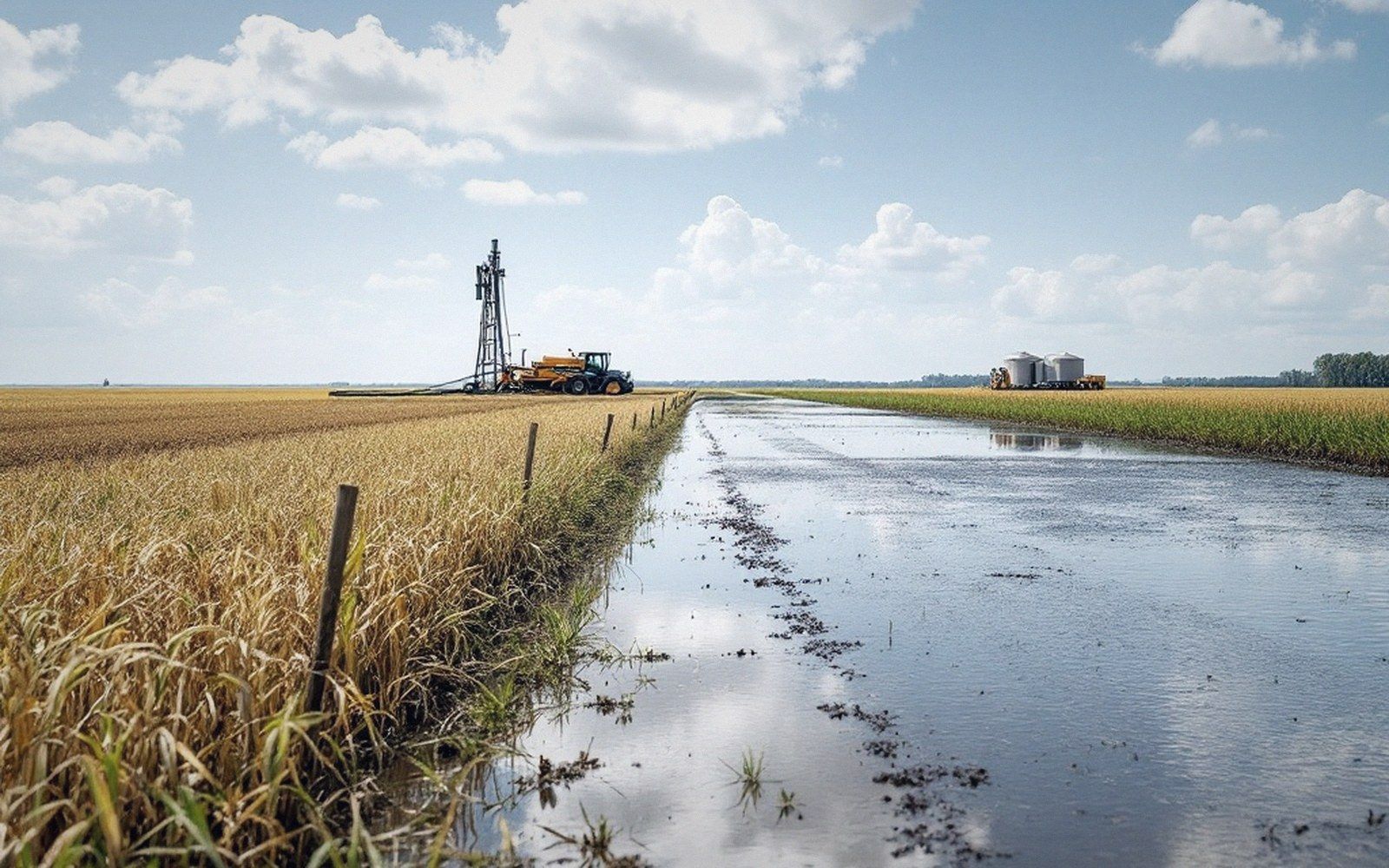
Relift does not replace the primary pump. It reduces how often and how long the primary runs. On a large farm with multiple bays cycling through flood and drain on offset schedules, a well-matched relift system can cover a meaningful share of total irrigation volume — water already paid for once, moved again for almost nothing.