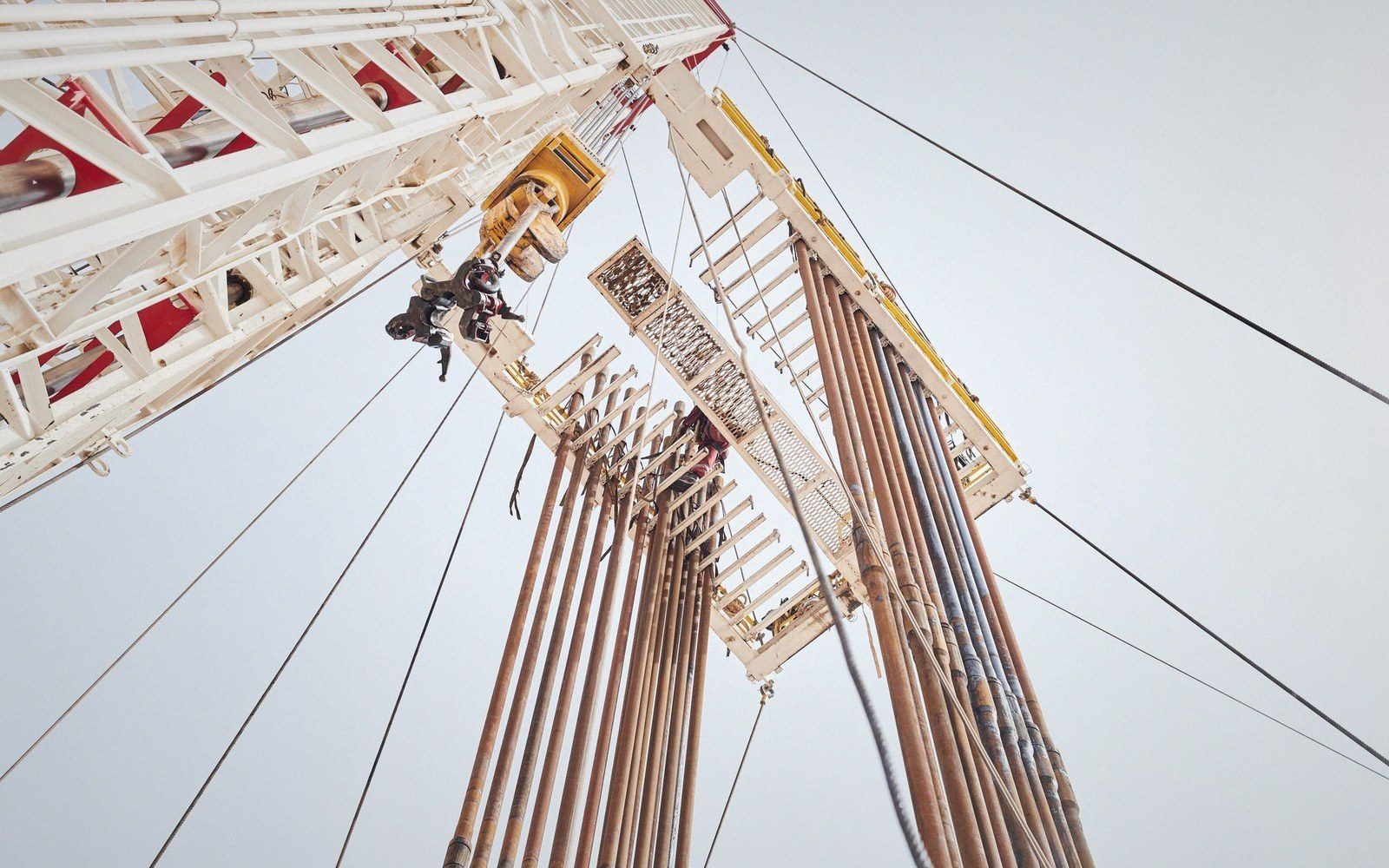
A pump that throws grit is telling you something
A Delta irrigation well is not a hole in the ground — it is a piece of engineered plumbing buried sixty to two hundred feet down, and when it fails, the field goes dry in the middle of July.
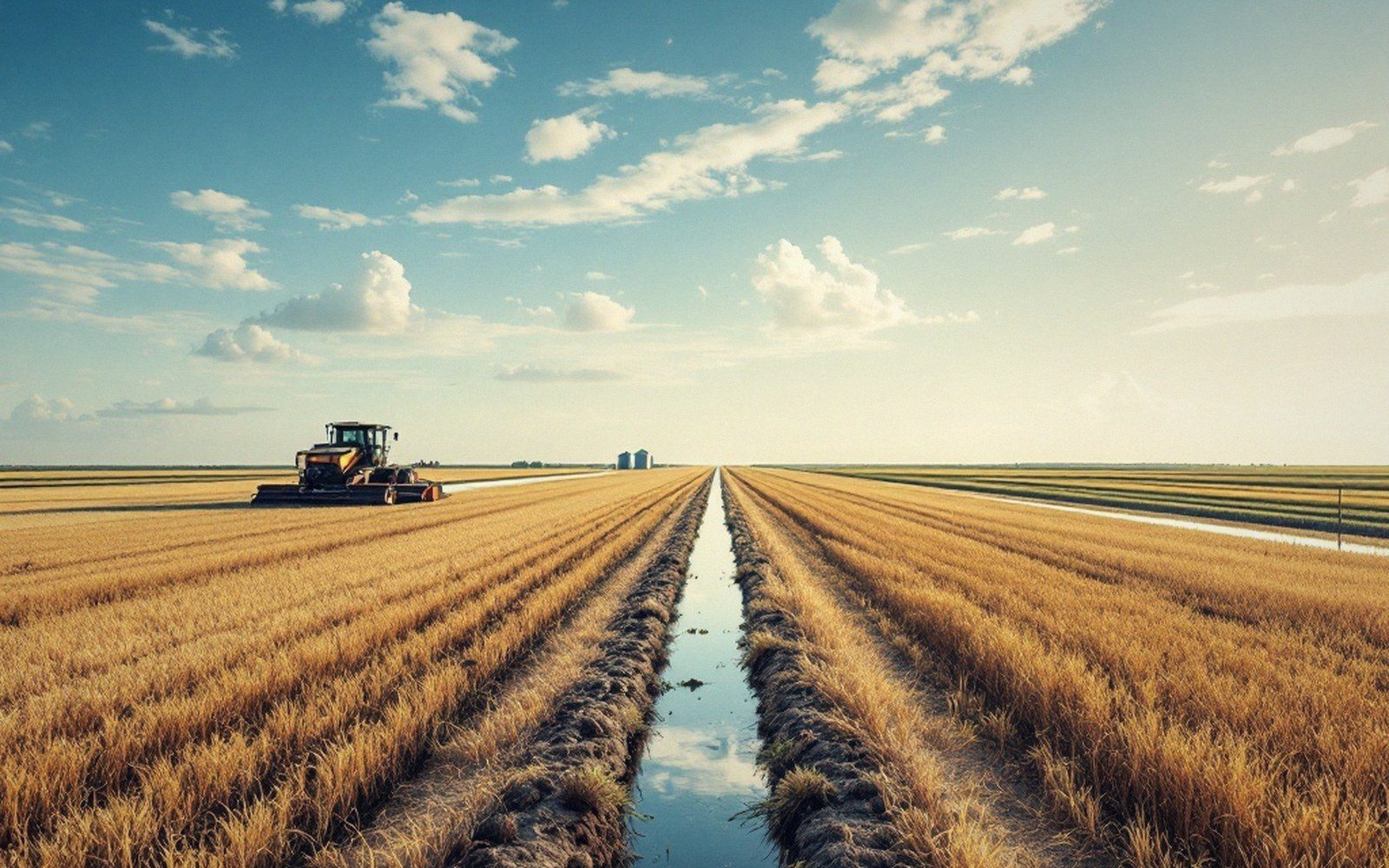
The working parts are simple enough. A steel casing drops to the producing zone of the alluvial aquifer, where the saturated gravels and coarse sands carry the water. Inside that casing, a slotted liner called the well screen sits against the formation. The slot width is chosen to match the grain size of the formation: wide enough to pass water freely, narrow enough to hold the sand back. Around the outside of the screen, operators pack a carefully graded gravel envelope — gravel pack — that bridges the gap between the machined slots and the irregular formation material outside. The pack acts as a secondary filter and stabilises the formation so it does not migrate inward over time.
When a well starts producing sand, one of three things has usually gone wrong. The screen slots are corroded, worn, or were never sized correctly for the formation. The gravel pack has settled, shifted, or developed a void. Or the pump itself — set too deep, running too fast, or cavitating — has created a drawdown so severe that it pulls formation sand past the pack. Each failure mechanism looks slightly different: corrosion tends to cause a gradual decline in yield and a slow increase in sand; a pack failure produces an abrupt change; a hydraulic problem often shows up first as lower-than-expected yield, then sand.
A competent well log from original installation tells you what the screen specification was; if that record is lost, the camera has to do the work alone.
Sand in the column kills equipment fast. It scores pump bowls and impellers, wears shaft bearings, and works its way into any pivot or drip system downstream. By the time a farmer catches visible grit in the discharge, the pump casing may already be compromised.
The diagnostic move is a sand content test — measured in parts per million at the wellhead — followed by a camera survey of the screen. A competent well log from original installation tells you what the screen specification was; if that record is lost, the camera has to do the work alone. If the screen is intact, the gravel pack can sometimes be rehabilitated by surging and redevelopment. If the screen is corroded through, the well is done: the casing is plugged, a new location is selected, and a driller mobilises — probably in the wrong week of the season, because that is when these things surface.
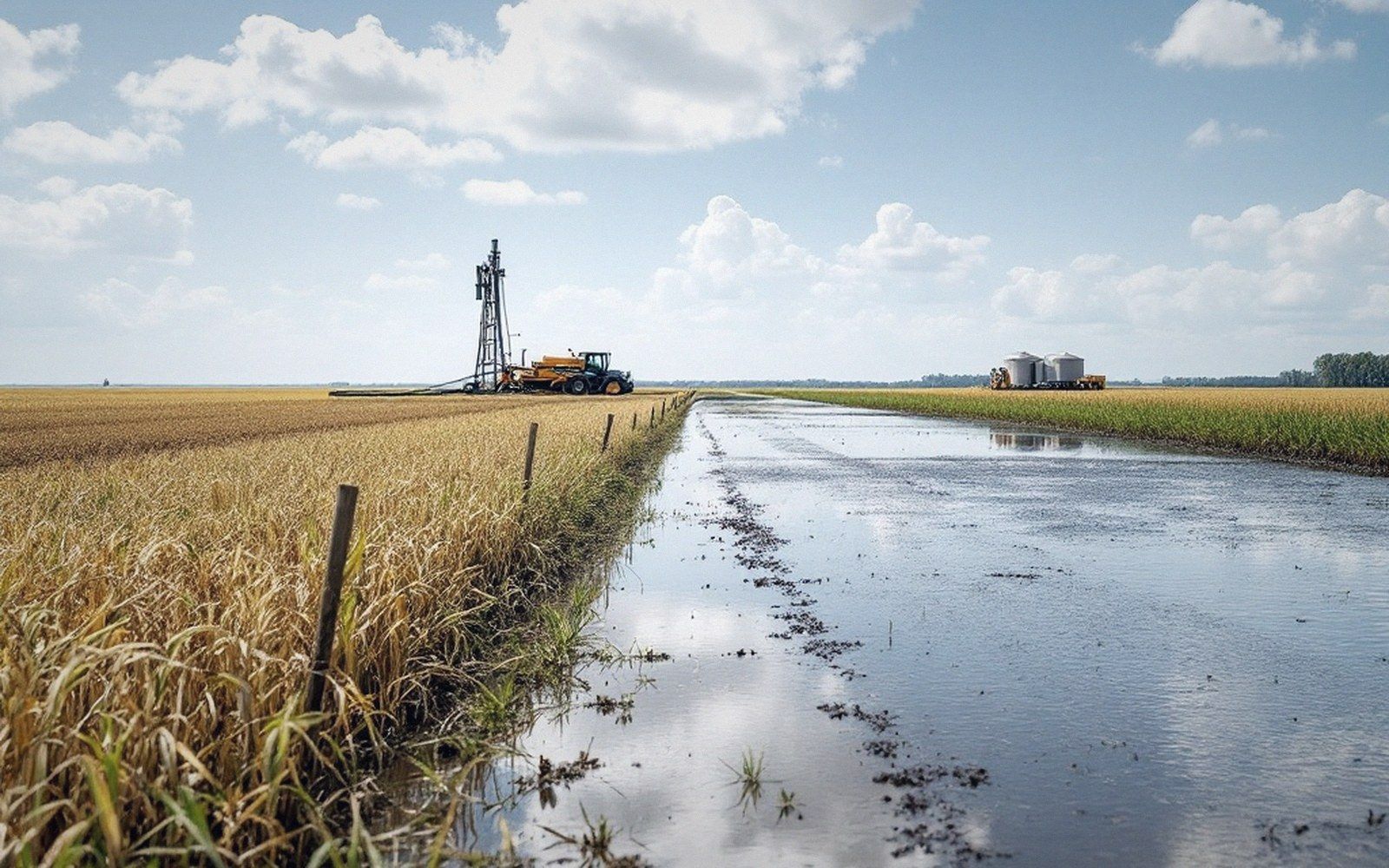
The lesson the Delta teaches repeatedly is that a well is infrastructure, not consumable. Pump tests, sand checks, and a maintained record of casing depth and screen interval are what separate a recoverable problem from a lost crop.