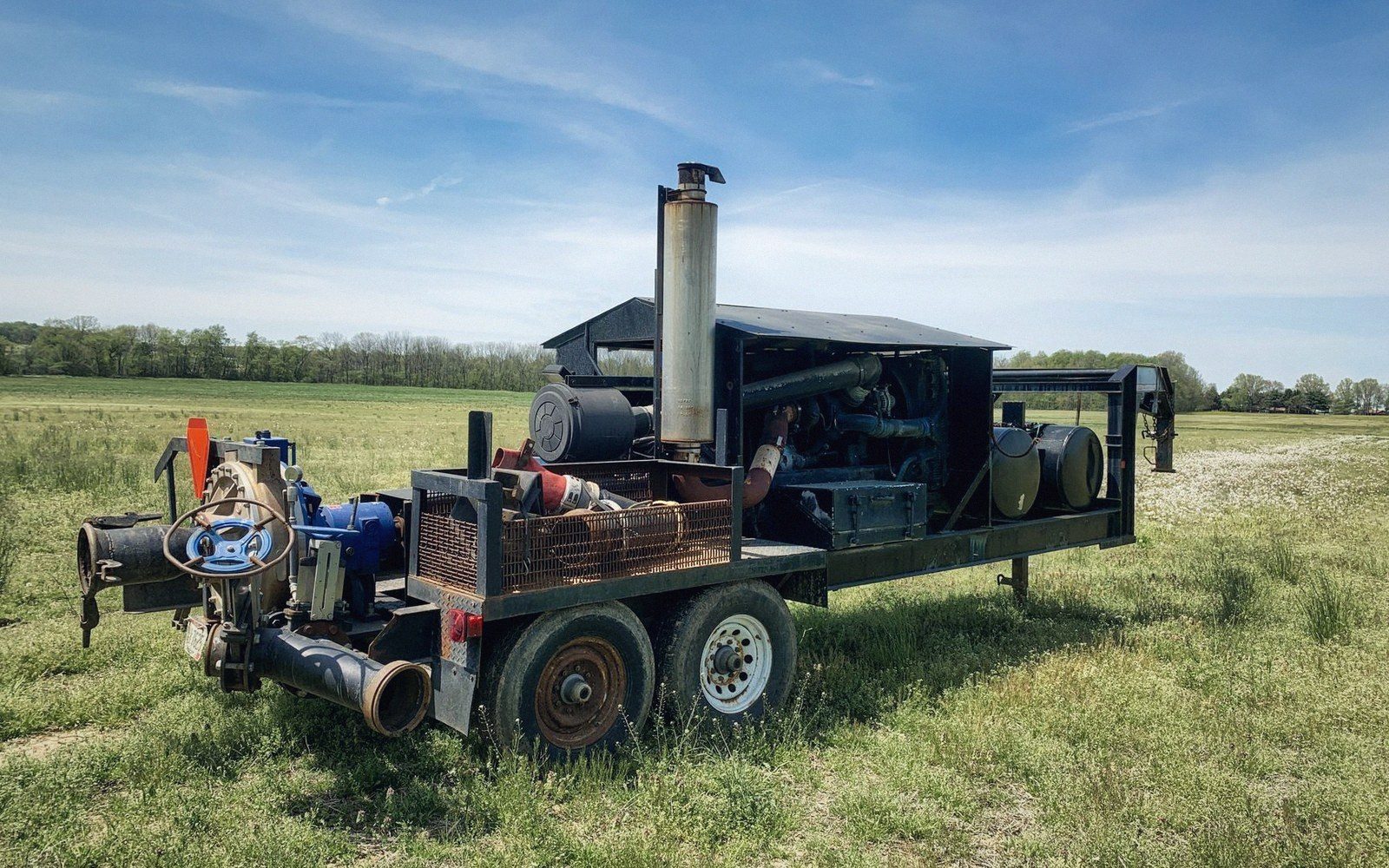
Every foot the water rises costs fuel. The arithmetic that decides whether a well or a ditch is the cheapest way to the field.
The pump doesn't care where the water came from
A centrifugal pump moves water by adding energy to it. Some of that energy overcomes friction in the pipe; most of it overcomes gravity — the vertical distance from the water surface to the discharge point. That distance is the lift, and lift is where the fuel bill lives.
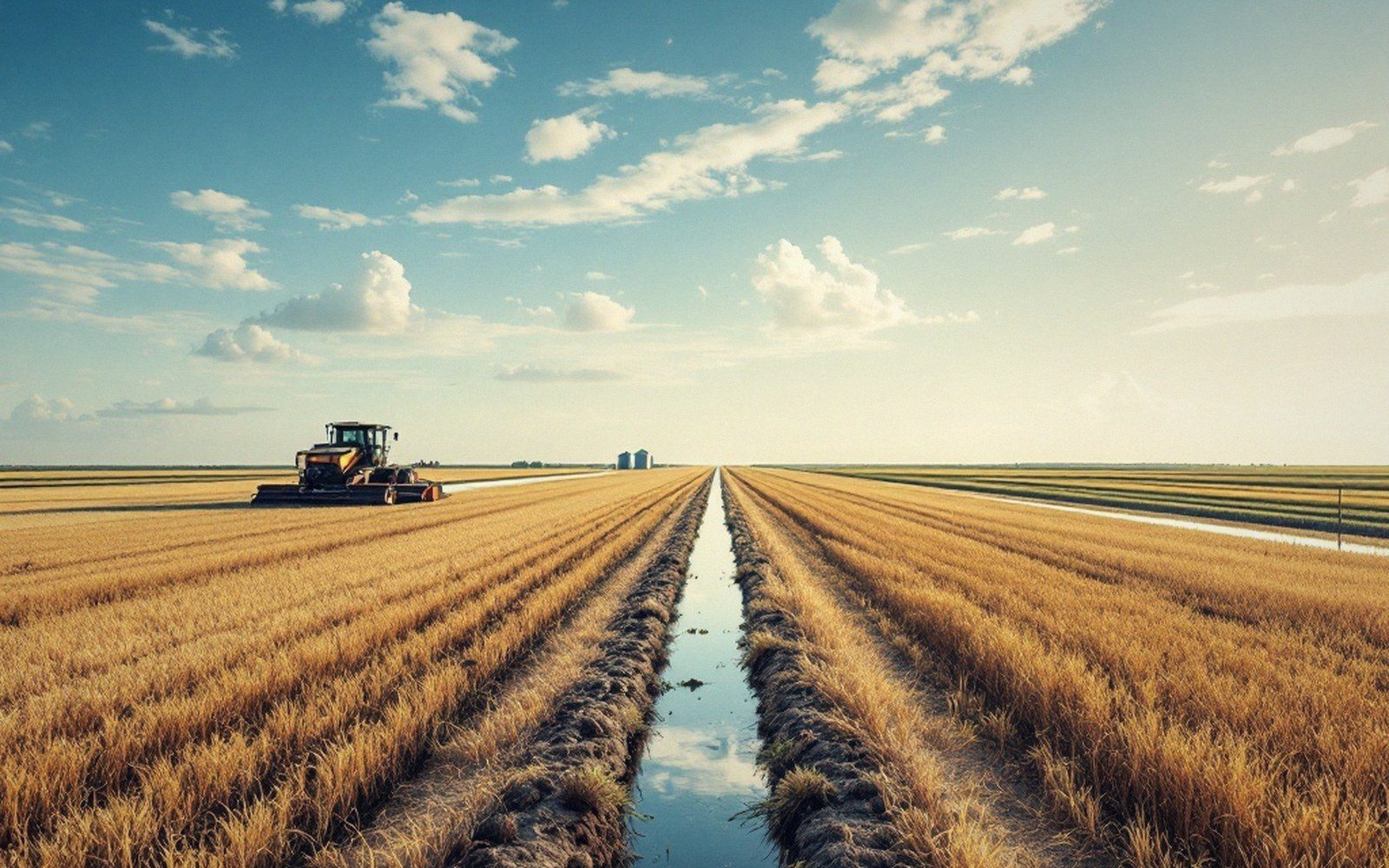
On the Delta the numbers are rarely dramatic, but they are relentless. A well drawing from the alluvial aquifer might sit with its static water level fifty feet below the surface. The pump lifts the water that far just to reach the field, then adds whatever head the delivery pipe demands on top. A surface-water pump pulling from a ditch or a tail-water pit starts much closer to grade — sometimes only four or five feet of lift to reach the field's inlet structure. The same engine moving the same volume of water does a fraction of the work.
The practical result: a well pump burns significantly more fuel per acre-inch delivered than a surface pump doing the same job. Multiply that difference across a long irrigation season — rice ground can carry two to three acre-feet (24 to 36 acre-inches) of applied water — and the gap between the two sources is measured in dollars per acre, every year, not as a one-time capital cost.
Where the arithmetic gets complicated
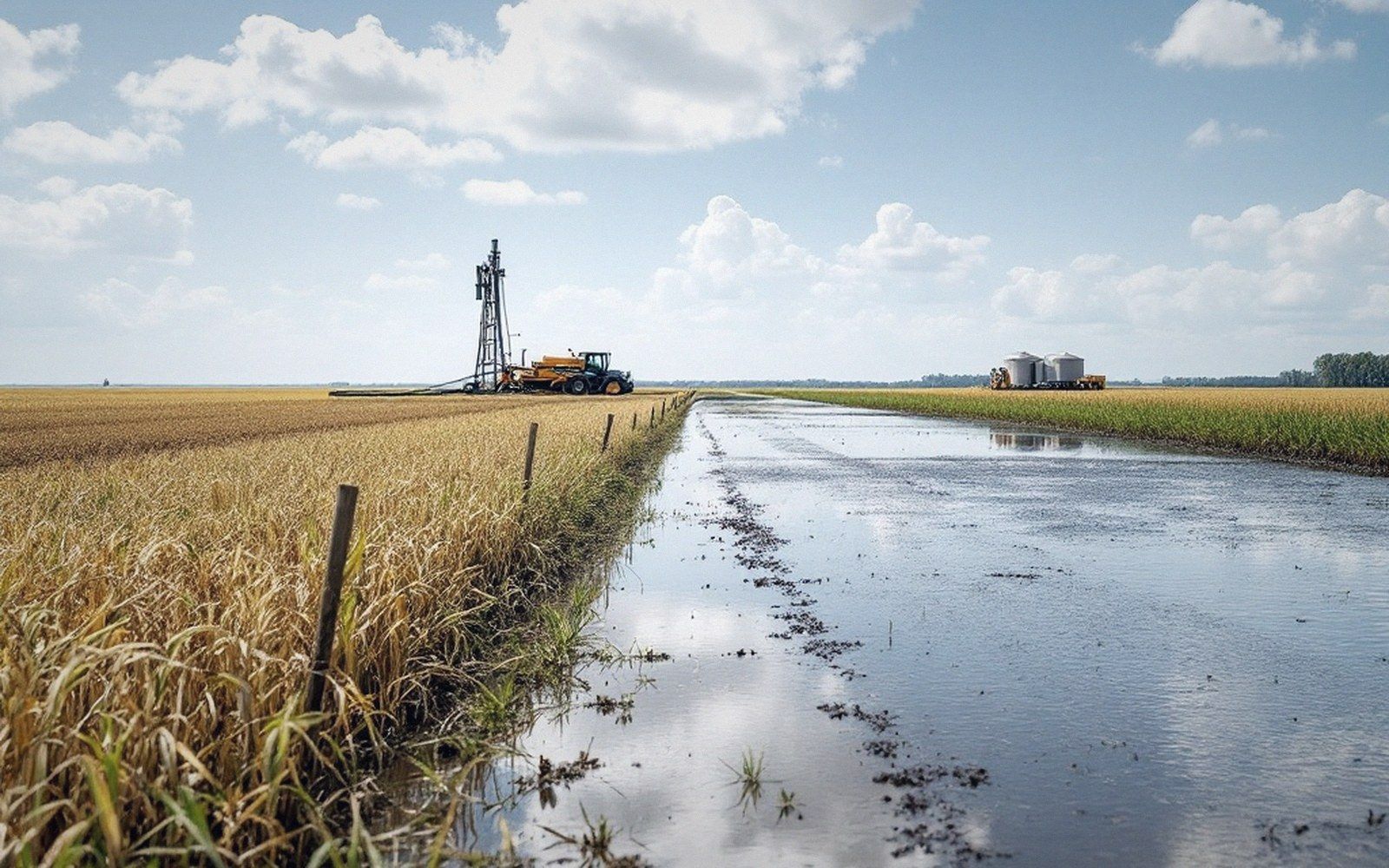
Nothing about the comparison is static. A well's static level drops as the aquifer is drawn down through the season and over years of cumulative pumping. Each foot of additional drawdown is more lift and more fuel. A surface source runs the opposite risk: low late-season flow, or a tail-water pit that empties because the recovery system hasn't been sized to match demand. Either way, the pump is forced to work harder or the field goes short.
The honest comparison stacks everything: fuel per acre-inch at current static level, projected drawdown across the season, the cost of the infrastructure that gets surface water to the pump in the first place, and the reliability of each source when the crop needs water most — which is never when conditions are easiest. Soybean acres on furrow irrigation carry lower total lift cost than flooded rice simply because they move less water; the cost-per-foot is identical, but fewer feet are moved.
The practical result: a well pump burns significantly more fuel per acre-inch delivered than a surface pump doing the same job.
Lift, in the end, is a single physical fact that every other decision inherits. Cut the lift and you cut the bill. Every dollar spent on tail-water recovery is, at its core, a way to buy water that starts high rather than water that starts deep.