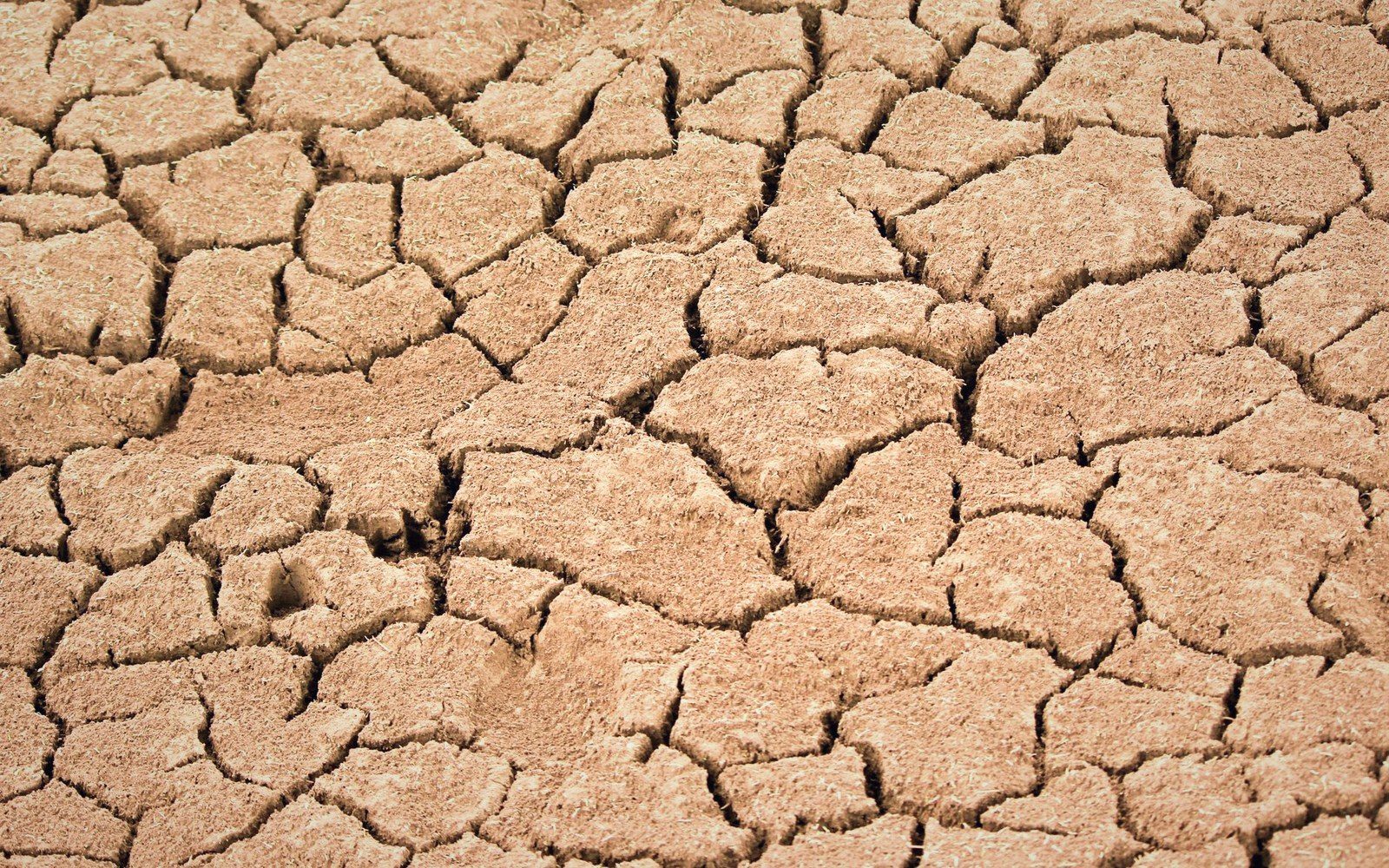
Fresh cut ground is not finished ground. What the first wet season does to it.
A laser-levelling job looks finished when the scraper leaves. The surface is smooth, the grade reads true, the dirt is quiet. None of that means the ground is done moving.
Levelling cuts the high corners and fills the low ones. The fill is loose — freshly turned subsoil and B-horizon material that hasn't been under load since before it was dug. Put a water column on top of it, and it compresses. The weight of the flood, a few inches at most, is enough. Particles rearrange. Air voids collapse. The surface drops unevenly, because fill depth is uneven: a quarter-inch in the shallow fills, an inch or more in the deep ones.
| Term | What it is |
|---|---|
| Levelling job complete | surface reads true, scraper leaves |
| First flood applied | fill compresses unevenly; surface drops |
| Post-season laser check | grade has shifted, especially over deep fills |
| Follow-up pass | lighter, faster; corrects what settling revealed |
The problem is that the settling is not uniform. Where the cut was shallow and the native pan sits close to the surface, the ground barely moves. Where a drainage depression was filled two or three feet deep, it sinks measurably. Run the laser level across that bay the following spring and the grade has changed. Not dramatically — but rice ground is levelled to a tenth of a foot or less, which means small numbers matter.
A poorly settled bay holds water in the wrong places, starves the high spots, and fights the grower every time they try to manage a uniform flood.
The common practice is to treat the first wet season as a settling season rather than a production season, or at minimum to plan a follow-up grade before the second crop. Some operators put it in water immediately after levelling, hold a shallow flood, and let the ground settle under controlled conditions before the actual production year. Others plant it out anyway, accept that the grade will be off, and re-cut after harvest. Neither is wrong; both are honest about the fact that the work in year one is not really finished.
Stand establishment on fresh-cut ground carries its own problems on top of settling — crusting, compaction from equipment, nutrient poverty in exposed subsoil — but the grade drift is the issue that persists past the first season. A poorly settled bay holds water in the wrong places, starves the high spots, and fights the grower every time they try to manage a uniform flood.
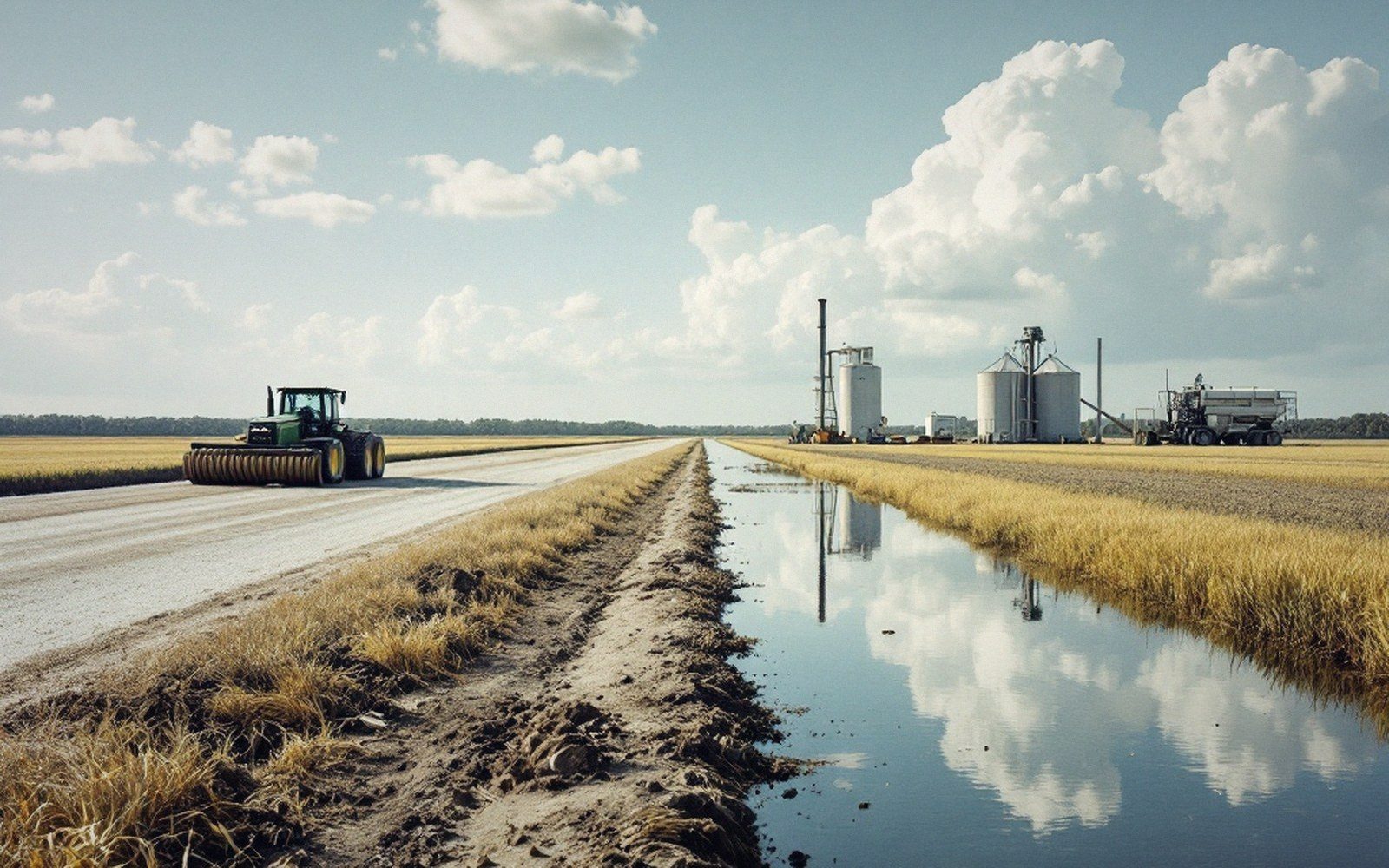
The fix is straightforward: a follow-up pass with the scraper, using the same control point, after the ground has had one full wet cycle to move. That pass is almost always lighter and faster than the original job. The dirt is still relatively loose, the corrections are small, and the laser plane doesn't change. What changes is that the ground has had its chance to tell you where it actually wants to sit — and now you can cut to that.
Dead Level is an independent publication about irrigation and row-crop practice on the Mississippi Delta. It is not a department, board, extension service or advisory body.