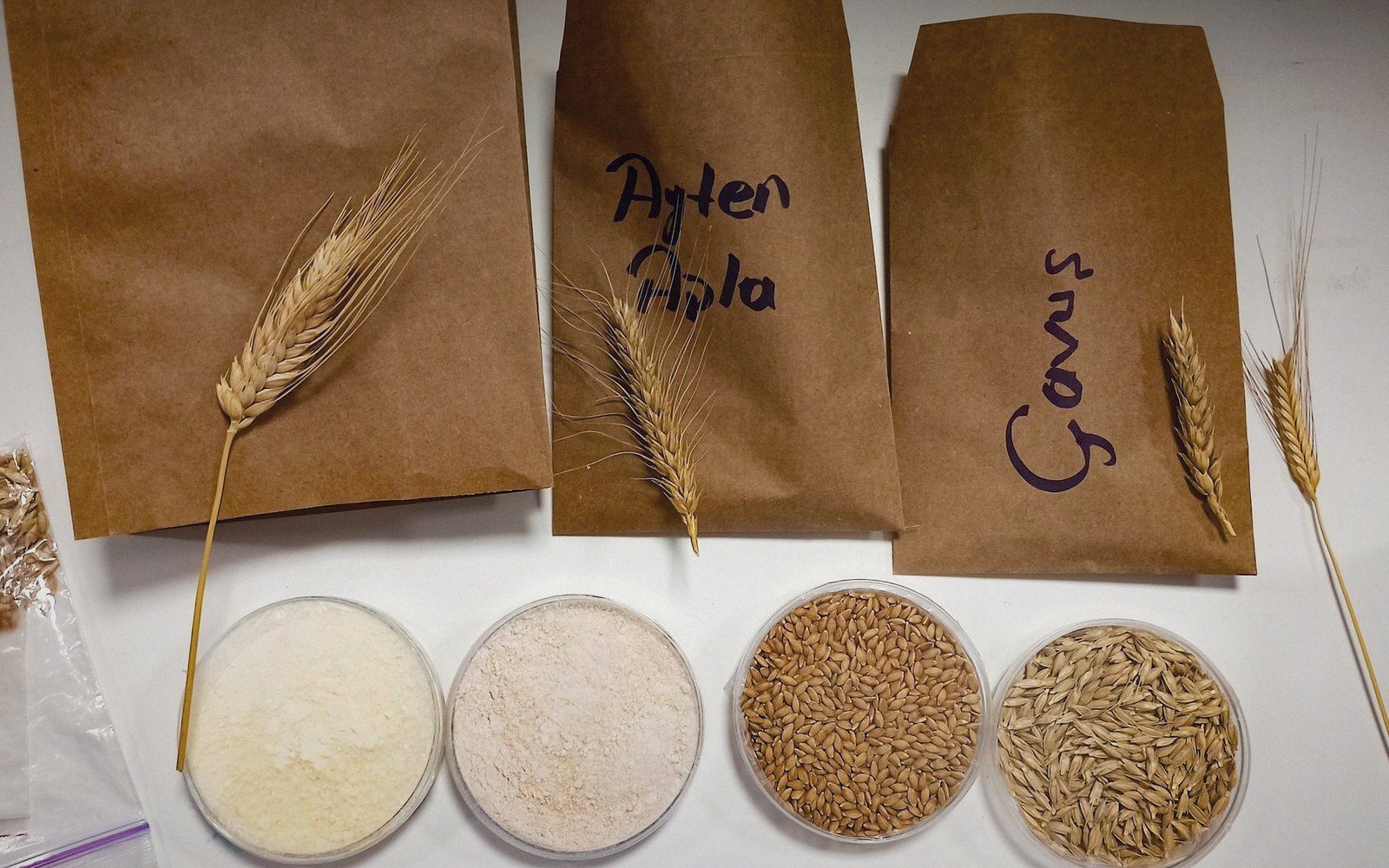
The weight that isn't there when it matters
Grain sold wet is sold light — not in the sense that it weighs less on the scale, but in the sense that the buyer discounts every point of moisture above the base. For corn the commercial base is fifteen percent; for soybeans, thirteen; for long-grain rice, twelve to thirteen depending on contract. Every tenth of a point above those thresholds is moisture the buyer is not paying for as grain, and the adjustment is mechanical, applied at the elevator before the ticket prints.

The calculation is called shrink, and it has two components. Dry-weight shrink accounts for the actual water removed: take grain at eighteen percent moisture down to fourteen, and the pile physically lightens. Handling shrink is a second charge, a flat percentage the elevator takes to cover dust, spillage and the grain left in the system. The two together mean that a load ticketed at a hundred thousand pounds at eighteen percent arrives at the elevator as considerably fewer bushels of payable grain.
Producers who run their own bin systems face a version of the same arithmetic in reverse. Drying costs energy — propane, natural gas, or the electricity running a bin fan — and that cost has to be bought against what the elevator would have taken. At modest moisture spreads, on-farm drying pencils; at wider spreads, or when energy prices are high, the trade tightens fast. The bin is a machine for holding that margin, not just for holding grain.
Moisture management in a rice bin is therefore not only an economic calculation but a quality one, and the two pull in slightly different directions.
The trap is over-drying. Grain pulled below base moisture has given up weight the producer will never recover: the elevator will not pay a premium for dry grain, only a penalty for wet. Running a dryer past the target is a direct loss, and on a large bin it adds up quickly. The goal is to hit base moisture and stop — which means accurate in-bin monitoring matters as much as the dryer itself.
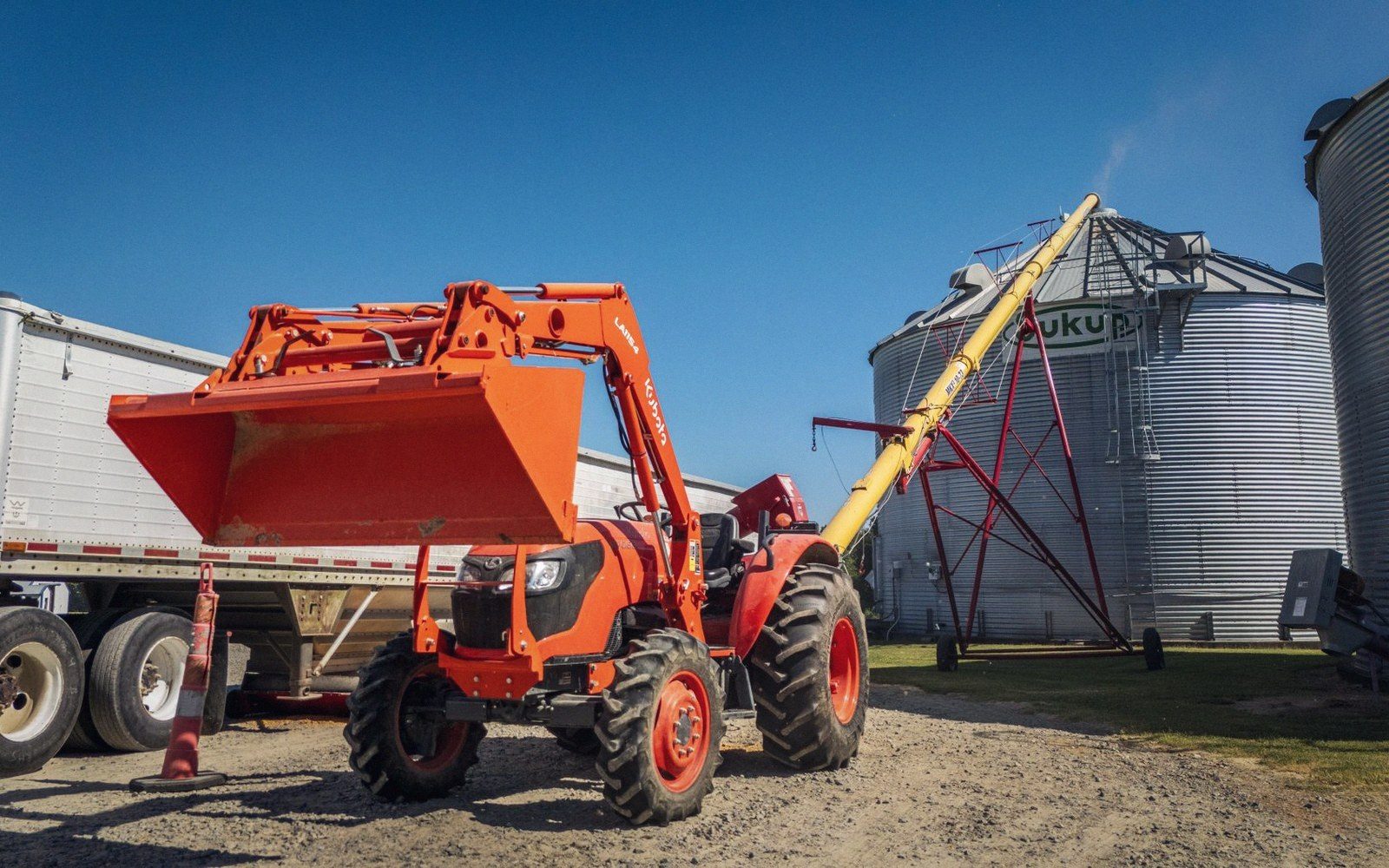
Rice adds a structural complication. Dry it too fast and the kernels crack; milled yield drops and with it the premium for head rice. Moisture management in a rice bin is therefore not only an economic calculation but a quality one, and the two pull in slightly different directions.