When the River Pushes Inland
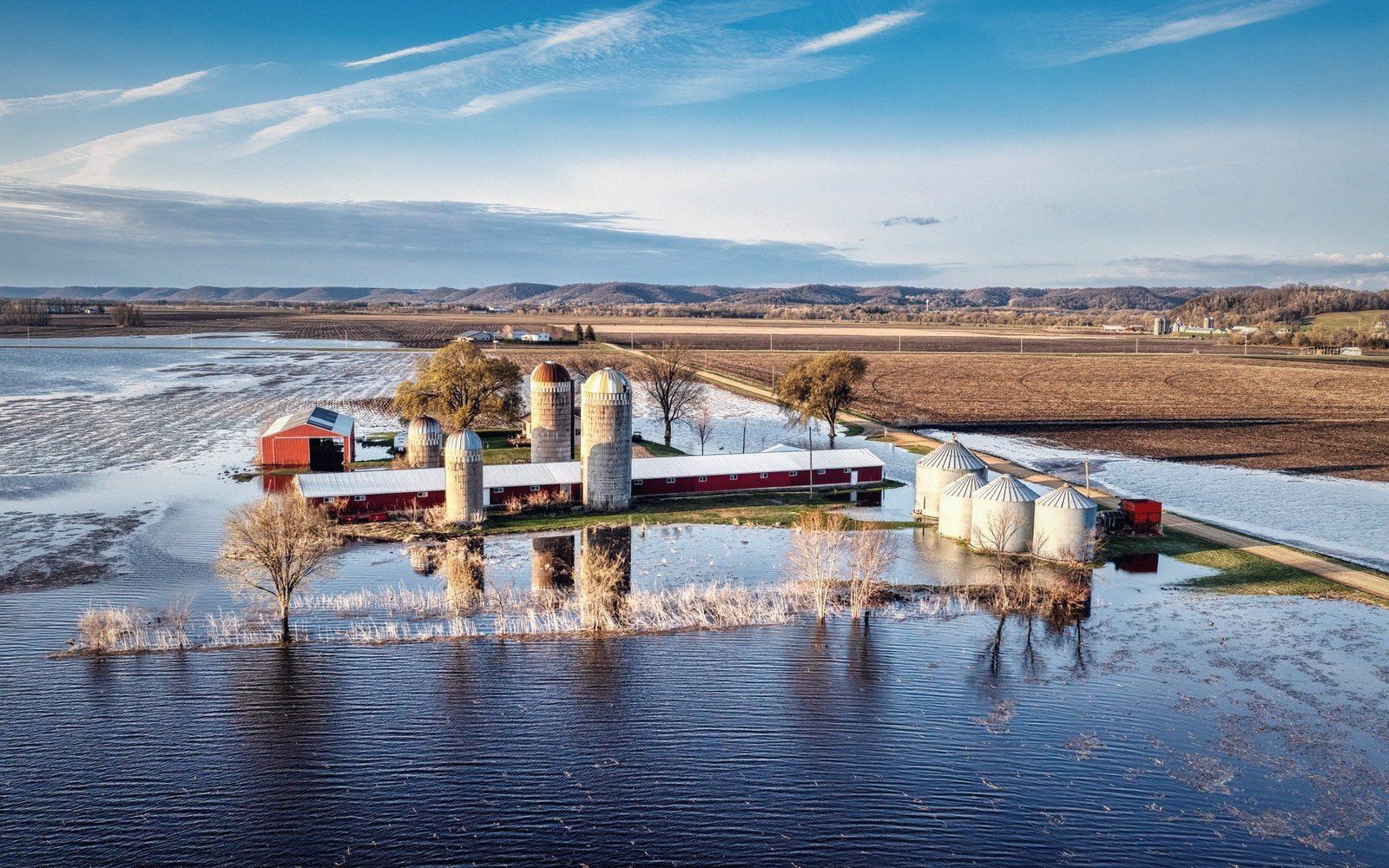
On a flooding river, the problem is not always the water that overtops the levee. Sometimes the water arrives from behind.
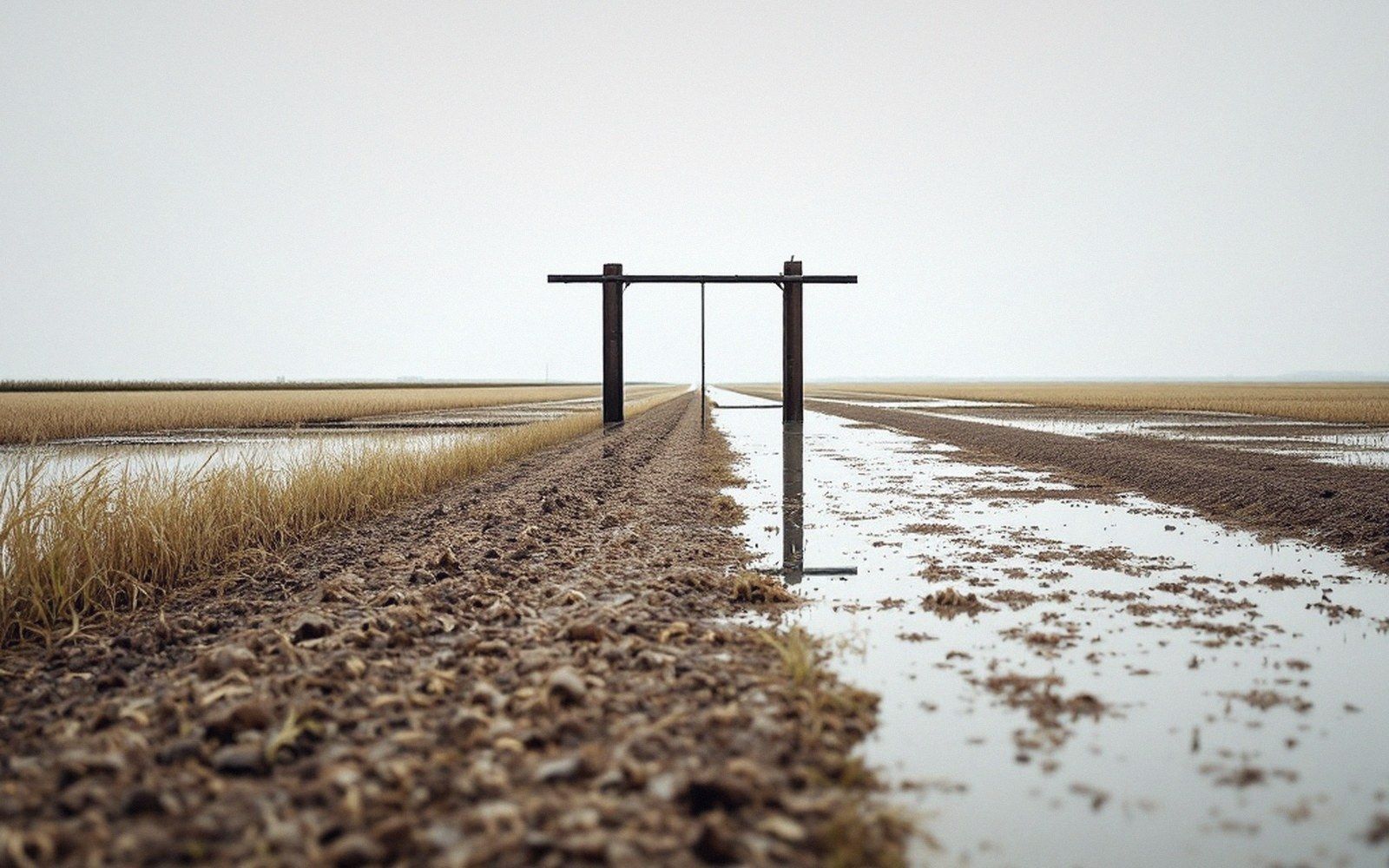
Backwater is what happens when a main-stem river rises high enough to back its tributaries upstream — or to push through any low gap in the flood-protection system and spread across land that is nowhere near the main channel. The Mississippi has done this repeatedly to the Sunflower River, the Big Black, the St. Francis, and dozens of smaller bayous threading the Delta. The river does not breach anything. It simply rises until gravity reverses in the tributaries, and water that should be draining outward sits still or flows the wrong way.
The mechanism is hydraulic grade. A tributary drains to the main stem as long as its water surface is higher than the river's. When the Mississippi crests above the tributary mouth, that gradient flips. Flow stops, then reverses. The tributary backs up miles inland, flooding fields and towns that sit well behind the main levee line.
Interior drainage is the Delta term for the problem of moving rainwater and tailwater off low ground when the outfall is blocked by a high river.
Interior drainage is the Delta term for the problem of moving rainwater and tailwater off low ground when the outfall is blocked by a high river. During a major Mississippi flood, the interior drainage pumps — diesel and electric stations scattered along the levee — are the only mechanism keeping water moving. They lift from the interior pool, over the levee crown, and discharge into the river on the land side's behalf. Pump stations built for this purpose exist at several points along the Delta's levee system, precisely for this situation. Without them, any rain that falls on the protected side stays there until the river drops.
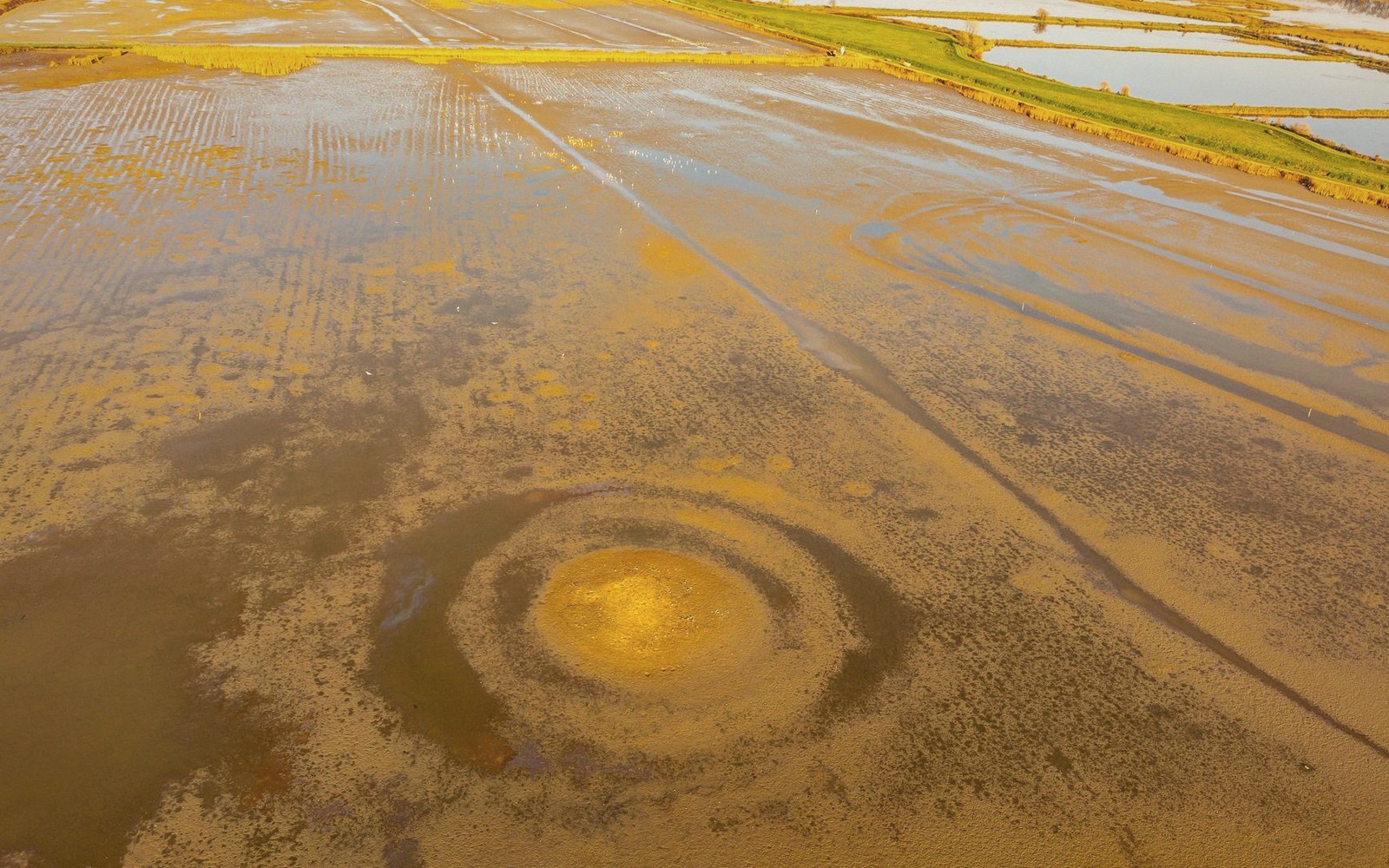
The calculation for a grower on the interior is not whether the levee holds. It is whether the interior pool rises enough to flood before the river crests, and whether the pumps can keep pace. A slow, sustained flood on the Mississippi can hold drainage pumps at capacity for weeks. If rainfall continues on the interior during that period, the pool rises regardless of the levee's integrity.
The March 2019 backwater flooding in the Mississippi Delta was an extended example: the main-stem levee held throughout, but interior drainage could not keep pace with rainfall accumulating behind it. Fields in parts of Yazoo County sat under water for months. No breach, no overtop — just a river that stayed too high for the drainage gradient to function.
Backwater reframes the levee's role. The line that decides which side floods is also the line that decides which side must pump its own rain out. The levee is protection and trap simultaneously, and the pumps inside it are not a backup system — they are part of the original design.